

Quick Fix:
• What: Adjust detergent for cleaner, cost-saving laundry
• Time: 5 min
• Skill: Beginner
• Tools & materials: Measuring cup and your laundry detergent
• Cost: Free tips
• Safety: Use care to avoid spills
- Ask yourself if you might be using too much soap. Too many suds can hurt your washer.
- Check your load size. Use the detergent level suggested on the bottle for small, medium, or large loads.
- Measure the detergent using a cup, about 1/4 cup (60 ml) for a medium load is a good start.
- Add only what you need. This keeps your washer working well and saves money.
- Enjoy cleaner clothes and a smoother wash every time.
Tip: When uncertain, use a bit less detergent. You can always adjust for the next load.
Effective Detergent Dosage Guidelines for Every Load
Use your laundry load's weight to decide the right amount of detergent. A small load weighs about 5 lb (2.3 kg) and works well for a few lightly dirty items. A medium load is roughly 8 lb (3.6 kg), perfect for everyday laundry. For large loads of 12 lb (5.4 kg) or more, add a bit extra detergent so your clothes come out clean. These weight tips help you use just the right amount of detergent, avoiding waste and buildup.
| Load Size | Recommended Detergent Amount |
|---|---|
| Small load (~5 lb, 2.3 kg) | ½ tbsp |
| Medium load (~8 lb, 3.6 kg) | 1 tbsp |
| Large load (12 lb+, 5.4 kg+) | 2 tbsp |
These guidelines come from an update on April 15, 2025. They work best for regular machine loads where water and motion mix the detergent for a deep clean. If your clothes are very dirty or you’re washing delicate fabrics, you might need to tweak the amount a bit. Following these tips helps keep suds under control and stops any film from forming on your garments or inside your washer.
When you wash by hand, use up to 50% less detergent than you would with a machine. This smaller amount helps prevent clumping and cuts down rinse time while keeping your fabrics in great shape.
Choosing the Right Measurement Method for Detergent
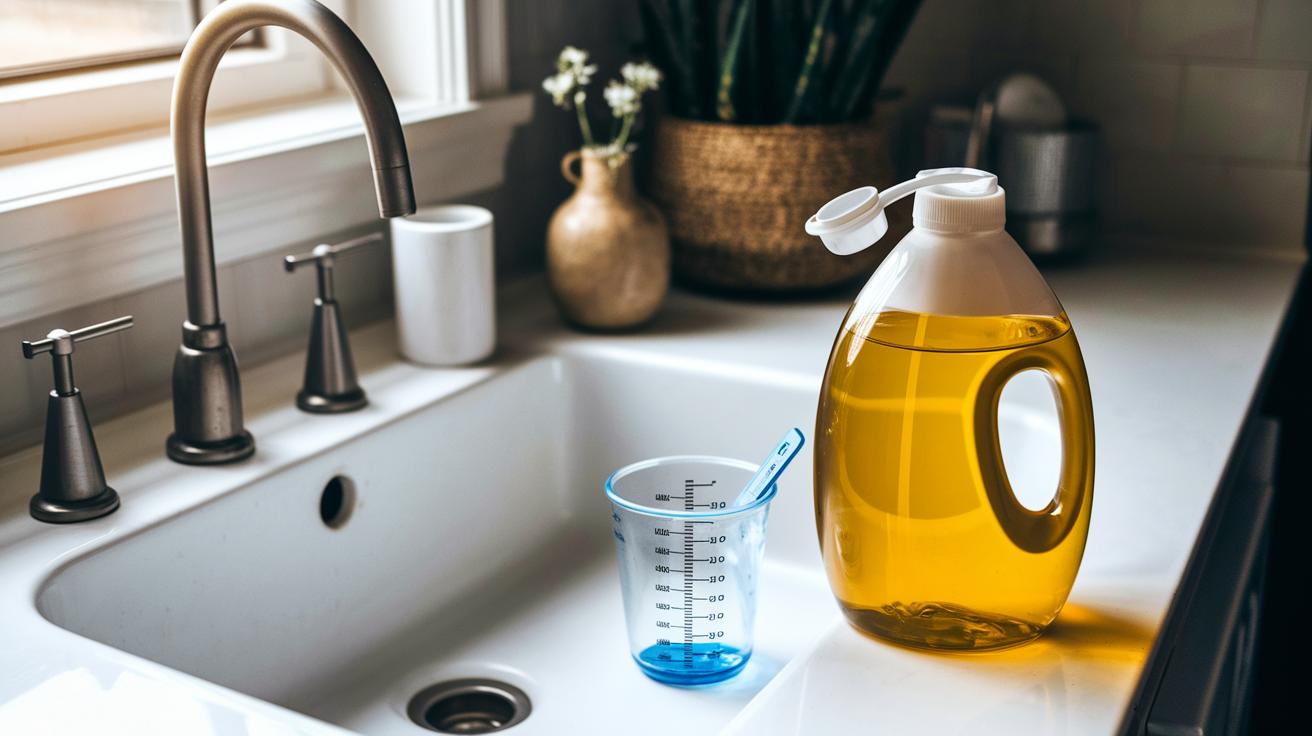
Quick Fix:
- What: Measure detergent accurately for every wash
- Time: 5 min
- Skill: Beginner
- Tools & Materials: Detergent bottle with built-in cap, included scoop or measuring cup, clean water and soap
- Cost: Free if you already have these tools
- Safety: Watch for spills
- Check the detergent bottle. Most bottles have a cap with a fill line for a normal load.
- Use the scoop that came with the detergent. It matches the manufacturer’s recommendation.
- If you do not have the scoop, use a kitchen measuring cup. Compare it with the manufacturer’s tool for accuracy.
- For hand-washing, use half the detergent you would in a machine cycle. This adjustment is key, because hand-washing does not mix detergent as well.
- Level off the scoop instead of piling detergent. Always fill to the marked line or measure exactly.
- Rinse the scoop between loads to prevent clumps.
After measuring, clean your tools with warm soapy water. Dry them well before putting them away so they stay accurate for your next wash.
Customizing Detergent Quantity by Washer Type
Quick Fix:
• What: Use the right amount of detergent for your washer.
• Time: 5 min
• Skill: Beginner
• Tools: Washer manual, detergent scoop or cap
• Cost: $0
• Safety: Avoid using extra detergent to protect your washer and clothes.
High-Efficiency Front-Loading Washers
High-efficiency front-loaders use 20–30% less water than standard models. This means you need less detergent to avoid too many suds. For a normal load, use about half a scoop or one capful. Look inside the detergent dispenser for markings that say HE. This ensures you are dosing correctly. Too much detergent can leave residue on your clothes and the washer. Always follow your washer’s manual or display instructions to keep your machine and fabrics in top shape.
Top-Load Washers
Top-load washers use more water, so they often need a full scoop or capful of detergent for medium to large loads. The extra water helps mix and spread the soap evenly. Check your washer’s manual for the fill lines or recommended marks on the dispenser. If you are washing very dirty clothes, you might add a little extra detergent, but stick close to the guidelines. Using the right amount will keep your machine efficient and your clothes clean without leftover buildup.
Liquid vs Powder Detergent: Measurement and Dosage Differences
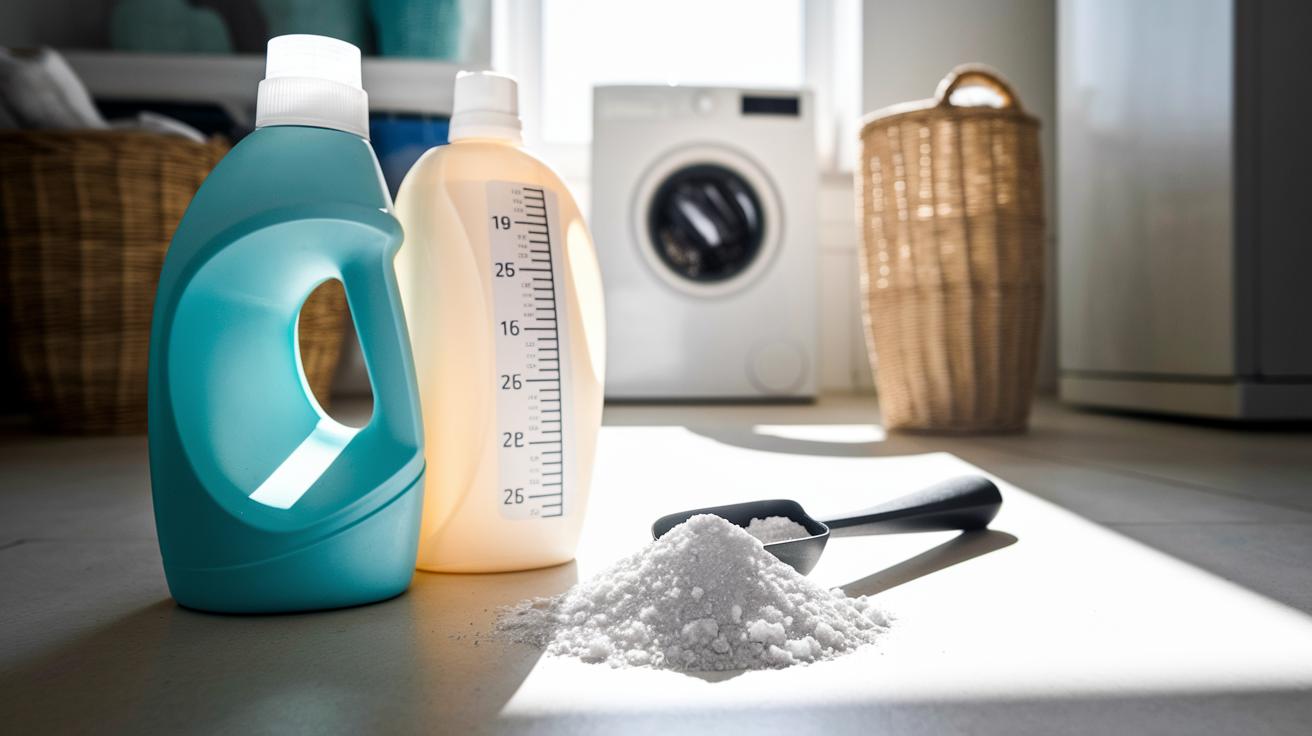
Detergents come in two main forms. Both clean well when measured right, but each type needs a different method.
Liquid Detergent Dosing Guide
Liquid detergent flows easily. To measure it right, use the built-in measuring cap. Slowly pour until you hit the mark. This way you avoid using too much and the detergent mixes properly with water.
Powdered Detergent Dosing Guide
Powder detergent can settle down into clumps. Give the scoop a good shake before you start. Fill the scoop and then use a flat edge (like the back of a knife) to level off the detergent. This extra step helps the powder spread evenly in your wash.
Follow these steps to keep your detergent use efficient and your laundry looking its best.
Water Hardness and Eco-Friendly Dosage Adjustments
Quick Fix:
- What: Adjust your detergent when hard water is detected and protect delicate fabrics.
- Time: 5 min
- Skill: Beginner
- Tools & Materials: Water test strips, detergent, washing machine
- Cost: Low – just a few dollars for test strips and detergent
- Safety: Read detergent labels and follow washing machine instructions
- Test your water with a simple strip test.
- If the strips show hard water, add an extra ½ tbsp (about 7.5 ml) of detergent. This extra boost helps break down the minerals that can weaken cleaning power.
- For delicate fabrics, use only the minimum detergent recommended. This helps keep colors bright and fibers intact.
- Always run your delicates on a gentle cycle. Too many suds can harm the fabric.
- Save energy by using cold water when possible.
- Pre-soak tough stains to make them easier to remove.
- Choose a concentrated detergent to cut down on plastic waste and unnecessary packaging.
Tip: Hard water reduces cleaning power. A small adjustment in detergent can make a big difference for your laundry and the environment.
Preventing and Removing Detergent Buildup
Quick Fix:
• Outcome: Remove soap residue from clothes and your washer.
• Time: 15–60 min
• Skill: Beginner
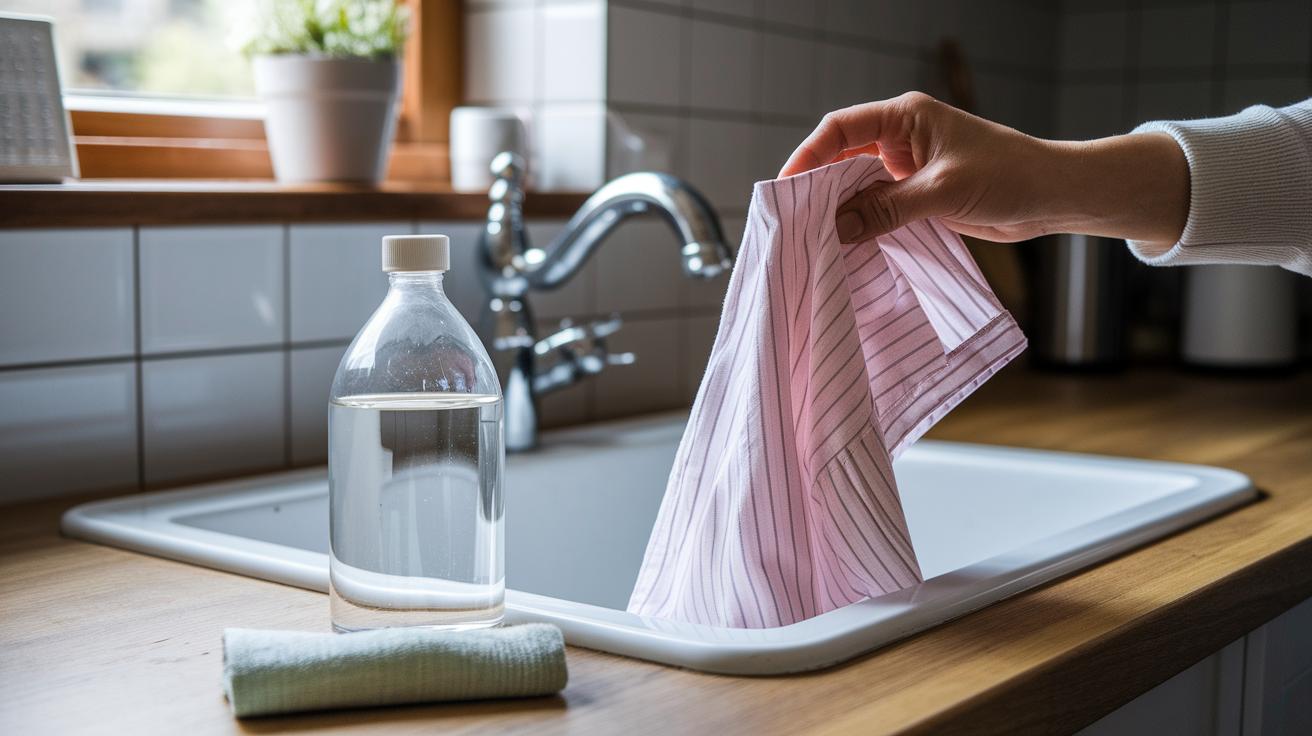
• Tools & Materials: Vinegar, water, soft cloth
• Cost Estimate: $2–$5
• Safety: Test vinegar on a small fabric spot first
- Soak fabrics in a mix of 1 cup vinegar per 1 quart (0.95 L) water for up to 1 hour. This helps loosen stuck-on detergent.
- Gently rub any stained spots to break up the dried soap and film.
- Run an empty hot-water cycle with 1 cup vinegar in the drum to clear lingering soap.
- Wipe down the dispenser drawer every week to keep mold and residue from building up.
- Use the proper detergent amount and try HE or eco cycles to reduce suds and future buildup.
Adjusting how much detergent you use and running routine cleaning cycles will keep fabrics and your washer residue-free for the best wash every time.
Final Words
In the action, you learned clear strategies for adjusting detergent amounts based on load size, washer type, detergent form, and water conditions. The guide laid out simple steps for safely measuring detergent and even tackling common residue issues. You now have a quick reference for how much laundry detergent to use on every cycle, saving money and time. Keep the tips handy and tweak as needed to keep your laundry routine smooth and effective. Enjoy cleaner clothes with less guesswork every time.
FAQ
How much laundry detergent to use reddit
The reddit discussion on detergent use explains that the right amount depends on load size, machine type, and water hardness. Typically, you may use 1 tbsp for a medium load.
How much liquid laundry detergent to use per load
The liquid detergent dosage per load changes with load weight. For an average load (~8 lb or 3.6 kg), 1 tbsp usually works well, while heavy loads might need 2 tbsp.
How much liquid detergent to use in 7kg washing machine
The recommendation for a 7kg (around 15 lb) washing machine is similar to large load guidelines. You should aim for about 2 tbsp of liquid detergent for effective cleaning.
How much laundry detergent to use for a small load
The guidance for a small load (around 5 lb) calls for about ½ tbsp of detergent. This helps give good cleaning while reducing residue and waste.
How much laundry detergent to use powder
Using powder detergent follows similar guidelines as liquid. Scoop out roughly 1 tbsp for an average load, ensuring you level the powder for the proper measure.
How much laundry detergent to use Tide
The instructions on Tide detergent usually point to about 1 tbsp for a medium load. Checking the cap’s marked levels can help you maintain the right dosage.
How much laundry detergent to use high efficiency
In high efficiency machines, the detergent amount is lower due to less water use. You typically use about half a scoop as indicated on your machine’s dispenser for the loaded cycle.
How much laundry detergent to use cup
When using a cup for measurement, a medium load usually requires about 15 mL (1 tbsp) of detergent. Adjust the volume based on your load size and machine type.
Is it true you only need 2 tablespoons of laundry detergent?
The statement about using 2 tablespoons applies mostly to heavy loads. Generally, an average load requires only 1 tbsp, so using 2 tbsp might lead to leftover residue.
How to tell if you’ve used too much laundry detergent?
Signs of overdose include visible residue on clothes, excessive suds, and buildup in the washer. These clues indicate you used more detergent than needed.
Is a full cap of laundry detergent too much?
A full cap may be too much if it exceeds the recommended 1-2 tbsp dosage. Following specific load guidelines ensures you avoid residue and keep your washer clean.
How much liquid detergent to use for a washing machine?
Standard instructions suggest using about 1 tbsp of liquid detergent for an average washing machine load. Adjust this measure up or down depending on the load size.