
Quick Fix
• What: Start a campfire fast with a DIY fire starter
• Time: 10 min
• Skill: Beginner
• Tools & materials: Glass jar, natural dryer lint, used cooking oil, lighter or match
• Cost: Low
• Safety: Work outside and keep flammable materials away
- Gather your items. Find a clean glass jar, a small bunch of natural dryer lint, and some used cooking oil.
- Fill the jar with dryer lint until it’s about halfway full. The lint helps hold the burning oil.
- Pour a small amount of used cooking oil over the lint. Make sure the lint is soaked but not too drenched.
- When you’re ready to light your fire, open the jar outside and carefully ignite the lint with a lighter or match.
You can now enjoy a warm campfire no matter the weather. This simple trick takes just ten minutes and uses everyday items you might already have in your campsite kit. Happy camping!
Master the Ultimate Camping Fire Starter Hack
Quick Fix:
• Outcome: A simple, portable fire starter for your campfire.
• Time: 10 min
• Skill: Beginner
• Tools & Materials: small glass jar, natural-fiber dryer lint (cotton or linen), strained used cooking oil, wax paper, waterproof bag
• Safety: Work in a well-ventilated area and keep flammable items away from open flames
- Get your materials ready. Grab a small glass jar, some cotton or linen dryer lint, and a bit of strained cooking oil.
- Fill the jar by adding a thin layer of lint, then drizzle a little oil over it. Press the lint down well so it soaks up the oil.
- Keep layering by adding more lint and oil until the jar is full or you run out.
- When you need a fire starter, remove one bundle from the jar, expose a bit of lint, and light it with a lighter or ferro rod.
- For an easy take-along option, wrap small bundles of oily lint in wax paper and store them in a waterproof bag.
Step-by-Step Instructions:
- Set up your workspace on a flat, clean surface. Place your small jar, lint, and oil where you can easily reach them. Make sure the lint is from natural fibers (cotton or linen) so you avoid any unwanted fumes.
- Start by spooning a layer of lint into the jar. Next, carefully drizzle a small amount of cooking oil over it. Use the back of a spoon or a stick to press the lint down firmly so it absorbs the oil.
- Repeat the process: add more lint, drizzle more oil, and press down each layer until the jar is filled.
- Once filled, seal the jar with a tight lid to keep the mixture fresh for your next campfire.
- If you are planning a trip, take a small amount of the oily lint and wrap it with wax paper. Store these individual bundles in a waterproof bag so they are ready to use when you need them.
- When starting a fire, simply unwrap one lint bundle, expose a bit of the enough-oiled material, and light it with your lighter or ferro rod.
Tip: Press the lint firmly each time to help it absorb as much oil as possible. This small extra step makes your fire starter work much better. Enjoy your campfire!
Alternative Camping Fire Starter Hacks for All Conditions

Quick Fix:
• What: Build an emergency fire starter in minutes
• Time: 5–10 min per hack
• Skill: DIY beginner
• Tools & Materials: Dryer lint, egg cartons, melted wax, cotton balls, petroleum jelly, hand sanitizer, paper towels, chip bag oil, bacon grease, pinecones, candle wax
• Cost: $0 to $5
• Safety: Keep flammable items away from open flame and use caution with hot wax
-
Dryer Lint in Egg Cartons
Fill an egg carton cup with dryer lint, then slowly pour melted wax (from a safe heat source) into it. Let the wax cool and harden. This creates a steady, slow-burning fire starter that is handy when dry kindling is hard to find. -
Cotton Balls with Petroleum Jelly
Dip cotton balls in petroleum jelly and store them in a resealable bag. They catch fire fast with a small spark, making them a great emergency option. Use them by placing one near your kindling and lighting carefully. -
Hand Sanitizer Paper Rolls
Soak paper towels in hand sanitizer and roll them up tightly. Let the rolls sit until they are just a bit sticky. When you need a quick spark trail, simply light one and watch it burn steadily. -
Doritos Flame Hack
Use the oily residue left in chip bags or even from Doritos. The natural oils burn quickly and can help ignite your fire when regular tinder is not available. -
Bacon-Grease Paper Towels
Spread bacon grease on paper towels and roll them up. Seal them in a bag until you are ready to use them. This hack offers a robust kindling aid that burns with low maintenance. -
Pinecones Dipped in Candle Wax
Collect dry pinecones and dip them completely in melted candle wax. Let them cool and dry on a flat surface. These wax-coated pinecones are a portable fire starter that lights even in damp conditions.
Essential Tools and Safety Tips for Camping Fire Starter Hacks
Quick Fix:
• What: Make a reliable camping fire starter.
• Time: 10 min.
• Skill: Beginner.
• Tools & Materials: A clean glass jar or metal tin, natural-fiber dryer lint (100% cotton or linen), a lighter or ferro rod, wax or petroleum jelly, wax paper, and a waterproof zip-lock bag.
• Safety: Work on a flat, fire-safe surface and keep a bucket of water close by.
- Gather your supplies. Choose a glass jar or metal tin that is free of cracks. This container will safely hold your oil-soaked lint.
- Use only natural dryer lint made from 100% cotton or linen. Avoid synthetic lint because it can release toxic fumes when burned.
- Slowly melt your wax or petroleum jelly using a low flame or a double boiler. Do not try to melt it in a microwave to avoid spills.
- Once melted, mix the oil with the lint in your jar. This mix is your fire starter.
- Keep any oily or flammable materials away from sparks and open flames. If you try a kerosene-soaked version, work on a stable surface and keep water nearby to manage any flare-ups.
Follow these steps carefully for a safe and effective camping fire starter.
Troubleshooting Common Camping Fire Starter Hack Issues
- Check your tinder. Make sure your dryer lint or other tinder is completely dry. If it feels damp, let it air out or add a light coat of oil or wax to help it spark.
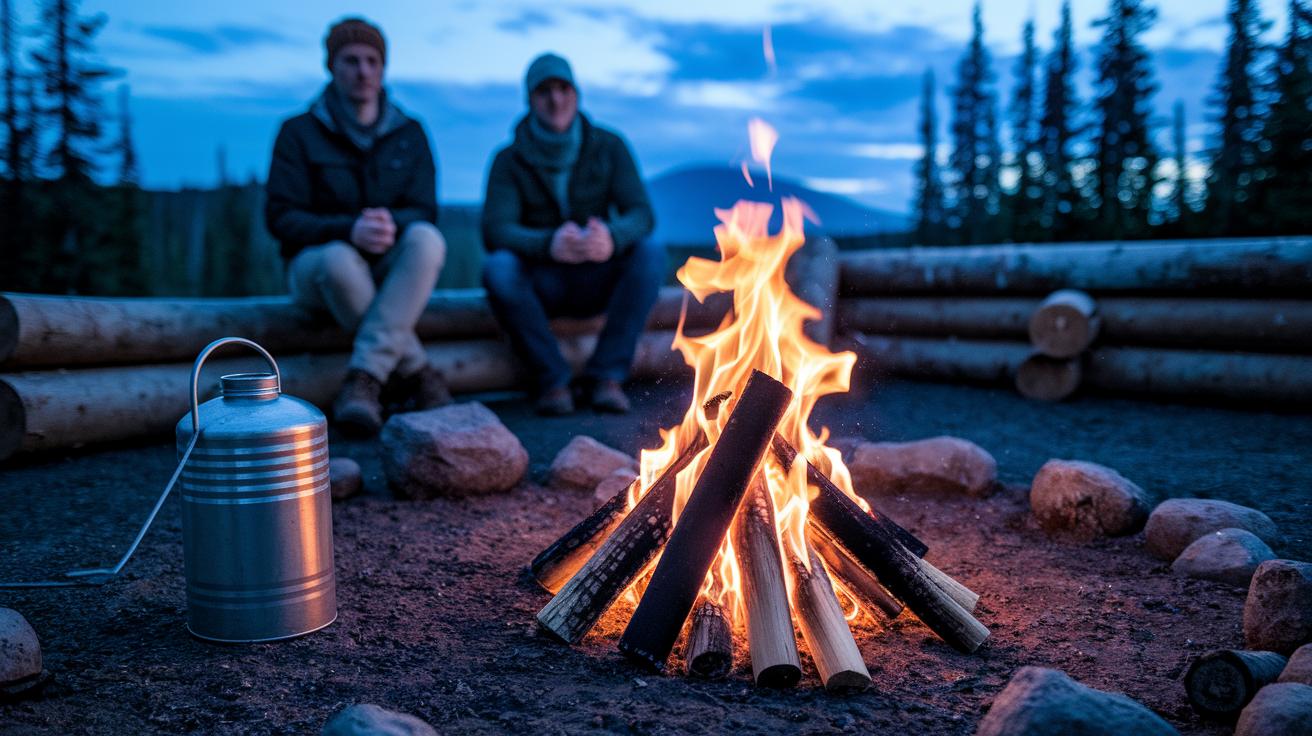
- Block the wind. In windy conditions, set up a small windbreak using logs or rocks to protect your ignition point. This will help the spark turn into a steady ember.
- Get your kindling ready. If your wood is damp, split it to expose the dry inside. Dry surfaces catch fire faster and help your starter spark build into a flame.
- Have backup material. Bring along a few fatwood sticks on your trip. These sticks catch fire easily, even in humid or wet conditions, and they burn hot and long enough to boost your fire.
Tip: Be patient and check your materials first. A little extra care can turn a tough start into a roaring fire every time.
Best Practices for Storing and Transporting Camping Fire Starter Hacks
Quick Fix:
• What: Keep your fire starters dry and ready to spark
• Time: 5 min
• Skill: Beginner (basic storage and labeling)
• Tools & Materials: Waterproof freezer bag or small plastic box, tight-lid mason jars, marker, labels
• Cost: Parts $1–$5
• Safety: Keep items away from heat and sharp objects
-
Let your fire starters cool down completely after making your wax-paper bundles or jar-filled lint-and-oil starters. This stops moisture from affecting them.
-
Place your wax-paper bundles inside a waterproof freezer bag or a small plastic container.
-
Write the contents and the date on a label and stick it on the bag or box. This makes it easy to know when to refresh them.
-
Put your labeled packets in a dry part of your backpack. Keep them out of direct sunlight and far from heat.
-
Replace your starter packs every 12–18 months to keep the oil at its best for a quick ignition.
-
Use a mason jar with a tight lid for jar-filled starters to stop leaks when you move around.
-
Before you head out, double-check that all your containers are sealed tight and stored in a cool, dry spot.
-
Pack any portable bundles separately from tools or sharp items to stop accidental damage.
By following these steps, your fire starters stay safe, dry, and ready to light up your campfire when you need them most. Enjoy your camping nights with a warm, reliable flame!
Final Words
In the action from start to finish, you learned how to build a camping fire starter hack using simple household items. The guide walked you through crafting a DIY spark trick, tried alternative methods, highlighted essential tools, and stressed safety tips. You even got troubleshooting advice for common ignition challenges and smart ways to store your starter hacks for on-the-go use.
Keep experimenting with these practical methods. Your next outdoor adventure is bound to be a fun and well-prepared experience!
FAQ
What is the best DIY camping fire starter hack?
This camping fire starter hack uses natural dryer lint layered with strained used cooking oil. It gives you a clean, fast, and reliable way to start a fire, and you can pack it for easy transport.
How do I make fire starter bricks?
This fire starter brick method involves pressing layers of oil-soaked natural-fiber dryer lint in a container, then removing and wrapping them in wax paper. They ignite quickly and are simple to use outdoors.
How can I make sawdust fire starters without wax?
This sawdust method mixes dry, fine sawdust with a small bit of natural oil to form a compact, combustible mass. It lights reliably and burns cleanly, offering an effective alternative when wax isn’t available.
Are cotton balls and Vaseline a good fire starter?
This combination works well because cotton balls soaked in petroleum jelly catch and hold a flame easily. They provide a simple and practical fire starter option for camping trips.
What alternative items can be used instead of commercial fire starters?
This approach uses household items like dryer lint, cotton balls, used cooking oil, and natural fibers. These materials make eco-friendly, cost-effective fire starters that work just as well as store-bought products.