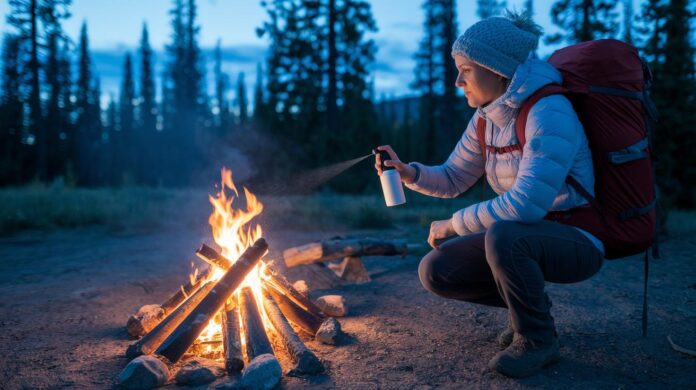

Quick Fix: Bug-Repellent Campfire
• What: Keep bugs away while you enjoy a cozy fire
• Time: 5 min
• Skill: Beginner
• Tools & materials: Dried sage, rosemary, and eucalyptus
• Cost: Low
• Safety: Keep a safe distance from the flames
- Gather your dried herbs (sage, rosemary, and eucalyptus).
- Add the herbs to your campfire so they burn slowly.
- Enjoy the warm fire and a natural shield against bugs.
This simple trick turns your campfire into a handy bug repellent. The herbs not only help keep insects away, they also fill the air with a pleasant scent. Now you can relax under the stars without being bothered by biting bugs. Enjoy your camping night!
Herbal Smoke Camping Bug Repellent Hack
Quick Fix:
• What: Create a bug-repelling campfire using herbs
• Time: 5–10 min setup
• Skill: Beginner
• Tools & materials: Dried sage, rosemary, and eucalyptus (or fresh if properly dried)
• Cost: Low, most herbs come from your garden
• Safety: Keep a safe distance from the fire and never leave it unattended
- Pick a few sprigs of garden herbs like sage, rosemary, and eucalyptus. Sage has oils that muddle a mosquito’s senses, while rosemary and eucalyptus give off natural compounds (camphor and cineole) that confuse biting bugs.
- Light your campfire and let it burn down to hot embers. Once the coals are glowing, place a small bundle of your dried or properly cured herb sprigs onto them.
- The heat will release a steady, pleasant smoke that not only smells great but also helps keep mosquitoes and other pests away.
- Enjoy your evening outdoors knowing you have a natural and cost-effective way to fend off bugs.
Tip: Using fresh or well-dried herbs is key for a slow, gentle smoke that works all night. Enjoy your night under the stars as nature helps keep the pests at bay!
Selecting the Best Herbs for Your Camping Bug Repellent Hack
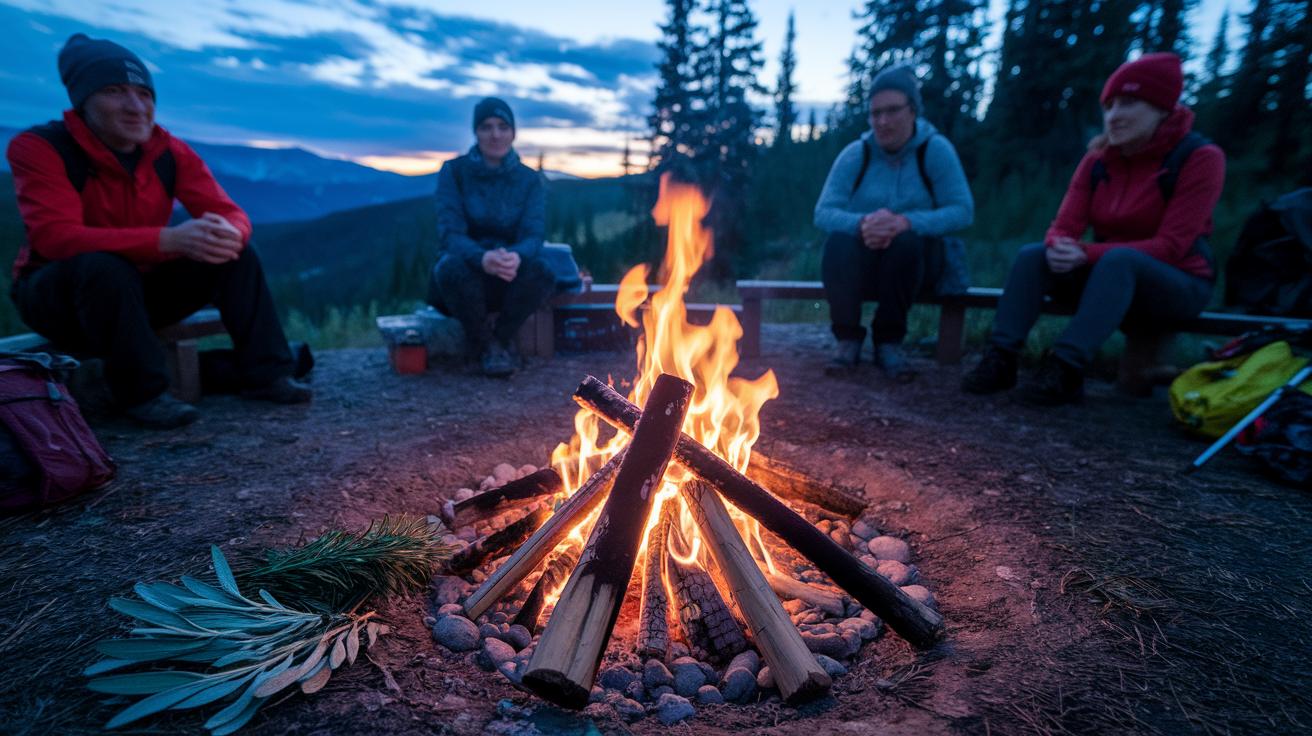
Quick Fix:
- What: Enjoy a campfire with a natural bug shield.
- Time: 5 min prep.
- Skill: Beginner.
- Tools & Materials: Sprigs of sage, rosemary, eucalyptus, cedar or pine needles, campfire.
- Cost: Low or free.
- Safety: Keep a safe fire distance and watch the flames.
- Add a few sprigs of sage to your fire. Sage has thujone (a natural compound) that makes it hard for mosquitoes to find you.
- Toss in some rosemary. Its burning smoke releases camphor and eucalyptol, which work together to keep mosquitoes and midges away.
- Mix in a bit of eucalyptus. When burned, it gives off cineole-rich smoke that forms a strong natural shield against bugs.
- Include cedar or pine needles if you have them. Their terpene smoke helps deter ticks and flies.
- Try different mixes of these herbs to find the bug-free combination that works best for your camping night.
Preparing and Using Your Camping Bug Repellent Hack
Quick Fix:
- What: Make a natural bug repellent with dried herbs following the Herbal Smoke method.
- Time: 5–10 min prep, plus 1–2 weeks drying time.
- Skill: Beginner
- Tools & Materials: Fresh herb sprigs (dried until brittle), natural twine, sealable bag, campfire with hot embers.
- Safety: Use smoldering bundles on hot embers only; avoid direct flames.
- Dry your herb sprigs until they become brittle. This makes them burn slowly and produce clean smoke.
- Tie 3–5 dried sprigs together tightly using natural twine. Keep your bundles in a sealable bag until you’re ready to use them.
- At dusk, place one bundle on the hot coals of your campfire. Do not put it in direct flames to prevent flare-ups and heavy soot.
- Stir the embers every 10–15 minutes. This keeps a steady, light smoke to help keep bugs away all night.
Safety Considerations for the Camping Bug Repellent Hack
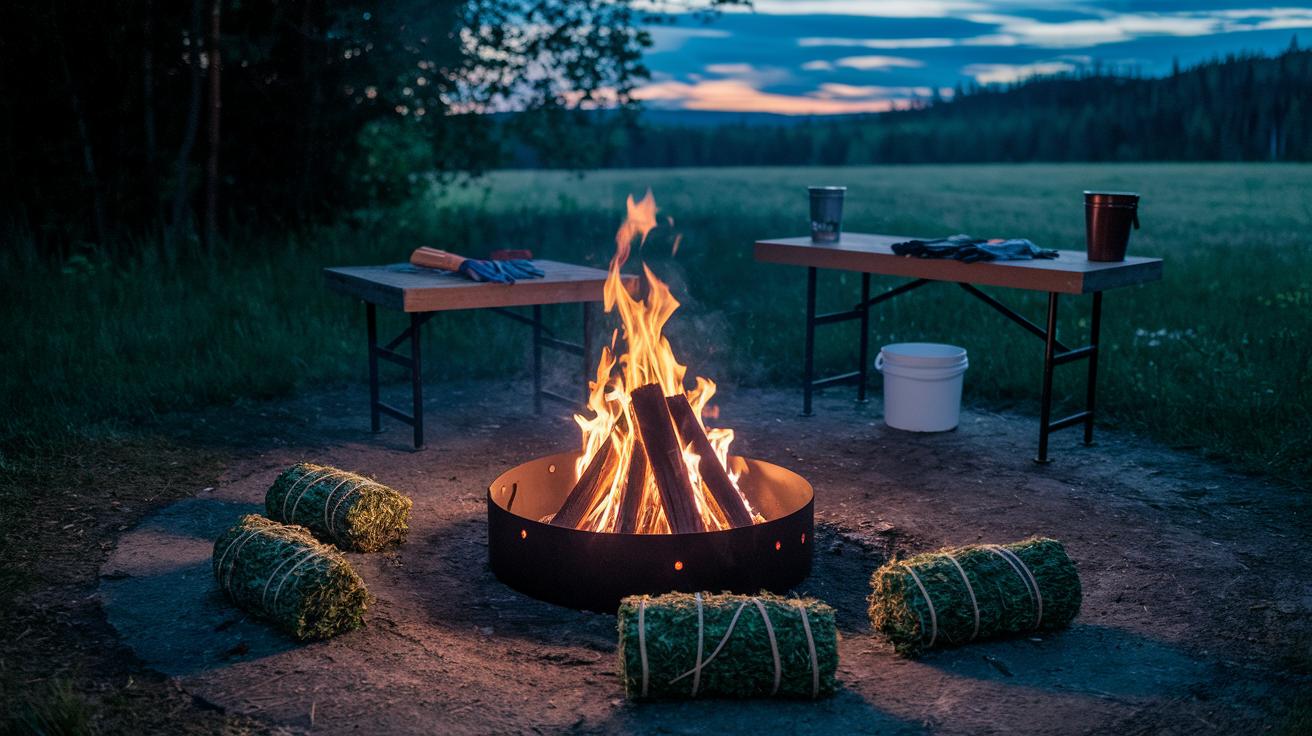
Quick Safety Overview:
- Location: Set up your fire in an open space with a clear 3-foot (about 1 m) radius.
- Firepit Use: Use a designated campfire ring or proper firepit.
- Gear: Wear heat-resistant gloves to handle hot herbs.
- Ready Tools: Keep a water bucket or sand close by to stomp out flames if needed.
- Choose an open area with at least a 3-foot (1 m) space free of flammable materials. This clears the way and keeps burning herb bundles away from dry wood or other combustible objects.
- For a regular campfire, keep your herbal bundles well away from dry wood. Use only designated fire rings.
- If you have a propane firepit, place the herb bundle on the coals guard instead of putting it in direct contact with the flames. This helps keep extra soot from building up.
- Always put on heat-resistant gloves before you handle any smoldering herbal bundle. This step protects your hands from burns.
- Keep a bucket of water or some sand nearby. You can quickly use it if the bundle flares up or if you need to put the fire out fast.
Follow these steps to enjoy the bug-repelling aroma of herbal smoke safely while keeping your campfire evenings relaxed and secure.
Comparing the Camping Bug Repellent Hack to Commercial Insect Repellents
When you're out camping, fighting off mosquitoes is key. One natural method uses simple garden herbs like sage, rosemary, and eucalyptus. When you burn these herbs, the smoke helps keep bugs at bay for about 4–8 hours around your campfire. It’s a low-cost, natural fix that works well when you’re enjoying the outdoors.
A DEET spray is another common option. These sprays typically contain 20–50% DEET and can protect you for 6–10 hours. They’re easy to spray on and trusted by many campers. However, some people might find that it leaves a strong odor or irritates the skin over time.
There’s also a method using metofluthrin diffusers. These devices can work up to 12 hours in small, enclosed spaces and may stop 84–100% of insects. In open air, though, they are less effective, so they work best in screened porches or cabins rather than a wide-open campsite.
Below is a table that lays out the details side by side to help you pick the best bug repellent for your camping needs:
| Method | Ingredients/Active Agent | Protection Duration | Notes |
|---|---|---|---|
| Herbal Smoke Hack | Dried herb bundles (sage, rosemary, eucalyptus) | 4–8 hours | Natural and budget-friendly for open campfires |
| DEET Spray | 20–50% DEET | 6–10 hours | Easy to apply; may leave a strong odor or irritate skin |
| Metofluthrin Diffuser | Metofluthrin | Up to 12 hours | Best in enclosed spaces; less effective outdoors |
Real Campers’ Experiences with the Camping Bug Repellent Hack
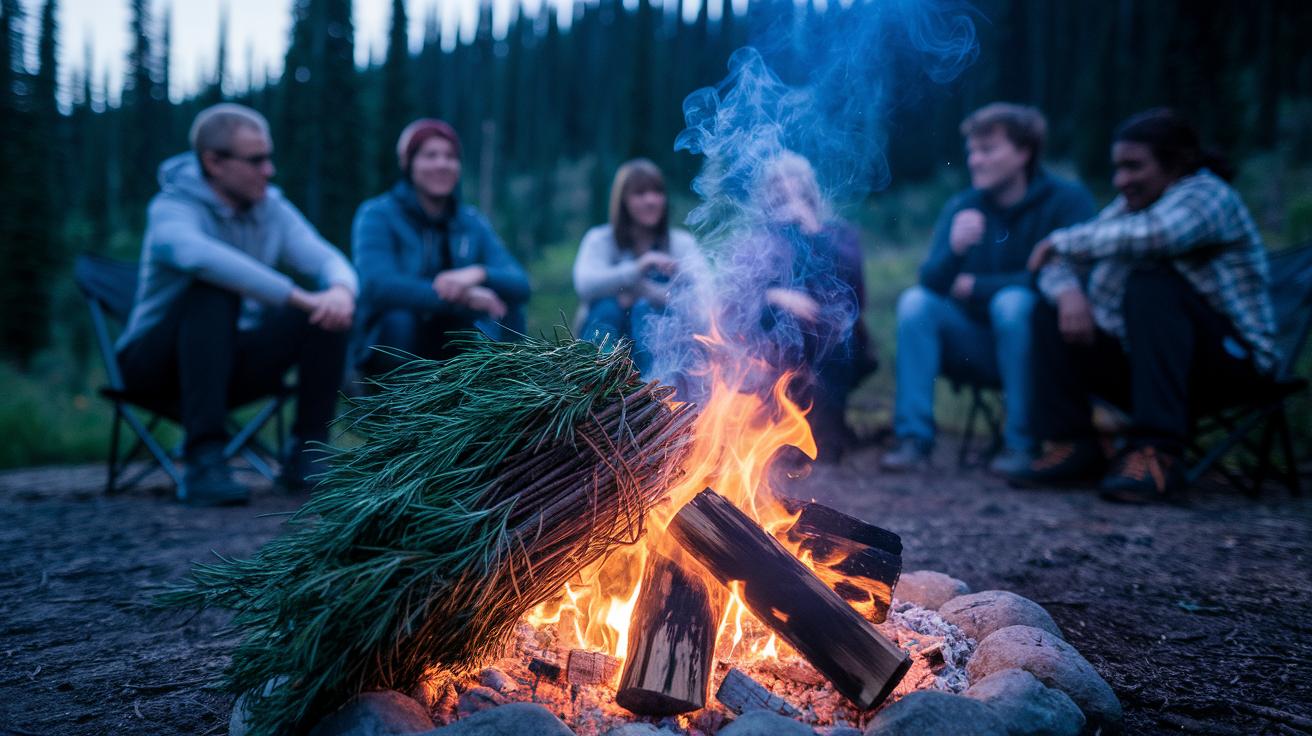
Campers using this herbal smoke method enjoy campfire nights free from pesky bites. They mix sage, rosemary, and eucalyptus into a tight bundle and burn it over hot embers. The rising smoke keeps most mosquitoes away. One camper said, "I spent the whole night talking at the fire without a single mosquito bothering me!" Many even say this natural trick works better than citronella candles because it creates a steady bug shield.
Campers in tick-heavy areas report similar success. They keep their gear near a small, smoldering herb bundle and see far fewer ticks on their equipment. The herbal smoke works on both mosquitoes and ticks, making it a handy, all-natural bug repellent. People also appreciate how easy it is to set up and enjoy the pleasant herbal aroma that adds to the campfire mood. This real-life feedback shows that this simple, homegrown solution can really boost your camping experience.
Boosting Your Bug Defense: Combining the Hack with Other Tips
Try pairing your herbal smoke hack with other simple steps to keep bugs away. First, wear long-sleeve clothes treated with permethrin (a bug-repelling chemical). They cover your skin and confuse mosquitoes. For example, if you plan a night hike, treated clothing can help stop bites even when you're away from the campfire.
Next, set up tight-weave mesh screens for when you sleep. These screens act like a fence, keeping small insects out. Be sure to zip all tent openings tightly so the screen can do its job.
Finally, keep your camp clean by getting rid of standing water and food scraps. Stagnant water attracts mosquitoes, and leftover food can draw in other pests. Follow these steps along with your smoke hack for solid bug protection.
Portable Packaging for Your Camping Bug Repellent Hack
Quick Fix:
- What: Keep your bug repellent hack ready to go
- Time: 10 min
- Skill: Beginner (just a bit of packing know-how)
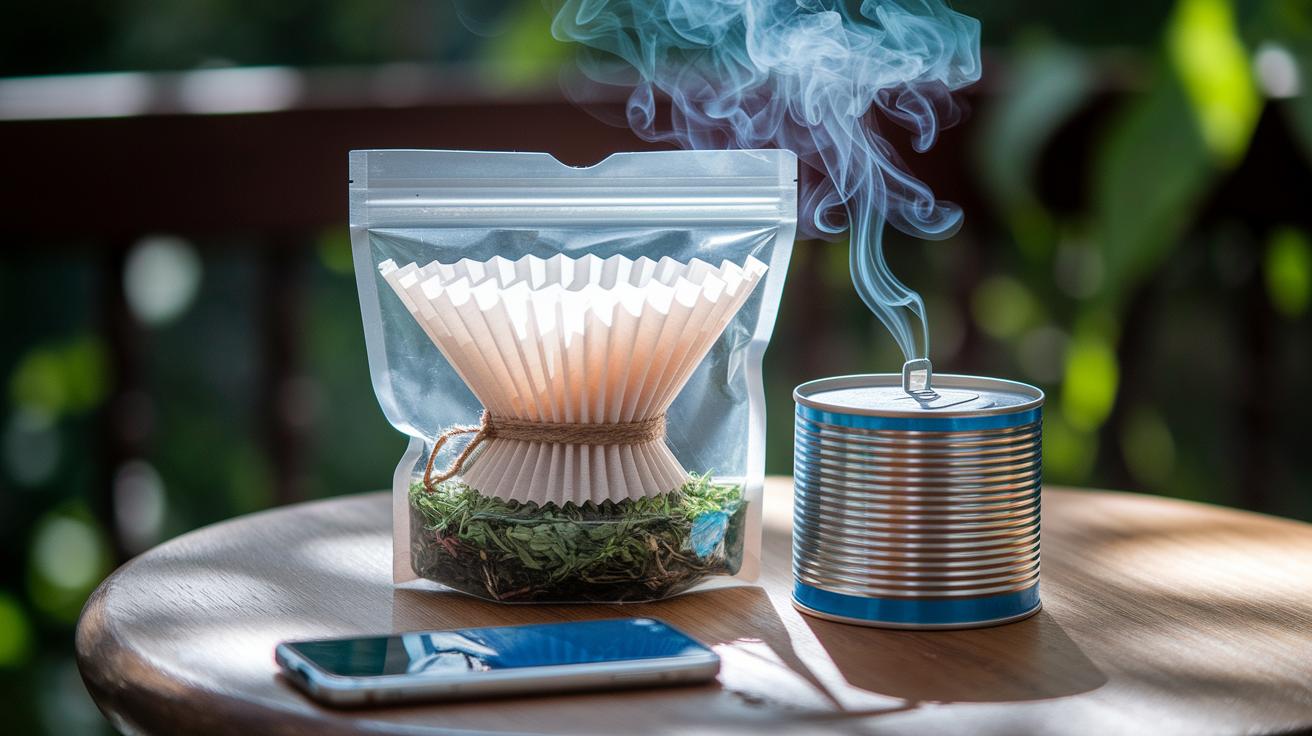
- Tools & Materials: Coffee filters, twine, herb sprigs (sage, rosemary, or eucalyptus), zip-lock bag, empty tuna can, small tool, tea light
- Cost Estimate: Parts $3–$10
- Safety Snapshot: Handle open flame safely
Steps:
- Bundle your herbs. Put a few dried sprigs in a coffee filter and tie it tightly with twine.
- Flatten and store the bundle. Slide it into a zip-lock bag to protect it from getting crushed.
- Create a mini smoke holder. Clean an empty tuna can, poke small vent holes around its side with a tool, and place your herb bundle inside.
- Top it off with a tea light. Light the tea light carefully to produce a quick puff of herbal smoke for repelling bugs.
Always be cautious around open flames and keep your setup away from flammable materials. Enjoy a bug-free campsite with these simple, portable solutions!
Environmental Impact and Clean-Up of Your Camping Bug Repellent Hack
Quick Fix:
• What: Safely extinguish herb bundles and clear up any debris.
• Time: 10–15 min
• Skill: Beginner (just follow these clear steps)
• Tools & Materials: Water, sand, bucket, bag or compost container
• Cost: Parts $0–$5
• Safety: Ensure all fires and embers are completely out before starting
- Douse or cover your herb bundles immediately after use. Use water from a bucket or a handful of sand to stop any smoldering.
- Let the bundles cool completely. Check that no embers remain that might cause a fire or leave harmful residue.
- Once cool, gently spread the ashes into your campfire ring or add them to your compost pile if local rules allow.
- If you can’t compost, pack out all leftover herb debris. This helps prevent the spread of unwanted seeds and protects local plants.
- Follow leave-no-trace methods by cleaning up all natural materials. This keeps wild areas safe and enjoyable for everyone.
Final Words
In the action, you learned how to create an herbal smoke solution that serves as a camping bug repellent hack using common garden herbs like sage, rosemary, and eucalyptus. You discovered how to bundle, ignite, and maintain a steady smolder while keeping safety in mind. The guide compared this method with commercial sprays and shared real camper experiences. These simple steps help you save money and keep your outdoor moments most enjoyable. Enjoy your next campfire night with a little extra confidence.
FAQ
What is a DIY camping bug repellent hack?
The DIY camping bug repellent hack uses common garden herbs burned in a campfire to produce smoke that helps deter mosquitoes and other insects, providing a natural, cost-effective bug barrier.
How do you make bug repellent for camping?
The camping bug repellent is made by drying and bundling herbs like sage, rosemary, eucalyptus, cedar, and pine needles, then placing them on hot embers to create a steady, repelling smoke.
What can you put in a campfire to keep bugs away?
The campfire solution involves adding dried herb bundles—especially sage and rosemary—to smolder on coals, which releases aromatic smoke that disrupts insect sensory receptors.
How does the herbal smoke method compare to products like Thermacell?
The herbal smoke method offers a natural alternative to synthetic products like Thermacell, delivering variable protection for 4 to 8 hours without the chemical smells and potential skin irritation of commercial sprays.
Does vinegar work as a camping bug repellent hack?
The idea of using vinegar is less common than burning herbs; most campers find that the controlled herbal smoke provides a more consistent and proven way to ward off bugs during outdoor gatherings.
What types of bugs are repelled by this hack?
The herbal smoke repellent deters pests such as mosquitoes, ticks, midges, and other flying insects, helping create a more comfortable campfire or outdoor seating area.
How can you keep bugs away when sitting outside?
Using a herbal smoke hack by placing a bundle of dried herbs on campfire embers produces a gentle, bug-repelling smoke that keeps insects at bay while you enjoy your outdoor space.