

Quick Fix: Replace a Blown Fuse
• What: Swap out a blown fuse safely
• Time: 15 min
• Skill: Beginner
• Tools: Flashlight, screwdriver, replacement fuse
• Cost: Parts $3–$10
• Safety: Turn off the main power before starting
- Turn off the main power at your circuit breaker.
- Open the fuse box and use a flashlight to see clearly.
- Find the fuse that has blown.
- Use a screwdriver if needed to remove the old fuse.
- Snap in the new fuse securely.
- Turn the power back on and check that everything works.
Follow these steps to keep your hands dry, work safely, and enjoy a secure, functional fuse box.
Safety Guidelines for Fuse Box Fuse Replacement
Quick Fix:
• What: Replace a blown fuse safely
• Time: 15 min
• Skill: Beginner (basic electrical safety required)
• Tools & Materials: Dry hands, a flashlight or torch, and a screwdriver if needed
• Cost: Minimal expense (most fuses are affordable)
• Safety: Turn off power at the fuse box, unplug appliances, and work in good light
- Turn off the main power at the fuse box so you stay safe from shocks.
- Unplug all devices like lights, appliances, and the boiler to prevent any sudden surges that could blow a new fuse.
- Keep your hands dry. Wet hands can lead to an electric shock.
- If the area is dim, grab a flashlight. Good light helps you see your wiring and check where the fuse sits.
Finally, double-check that no devices are still connected by testing for power if you can. Also, take a moment to look over the fuse box for any damage before you start. These simple steps keep you safe and lower the risk of future issues during your fuse replacement.
Essential Tools and Parts for Fuse Box Fuse Replacement
Quick Fix:
• Outcome: Replace fuse safely
• Time: 15 min
• Skill: Beginner (follow steps carefully)
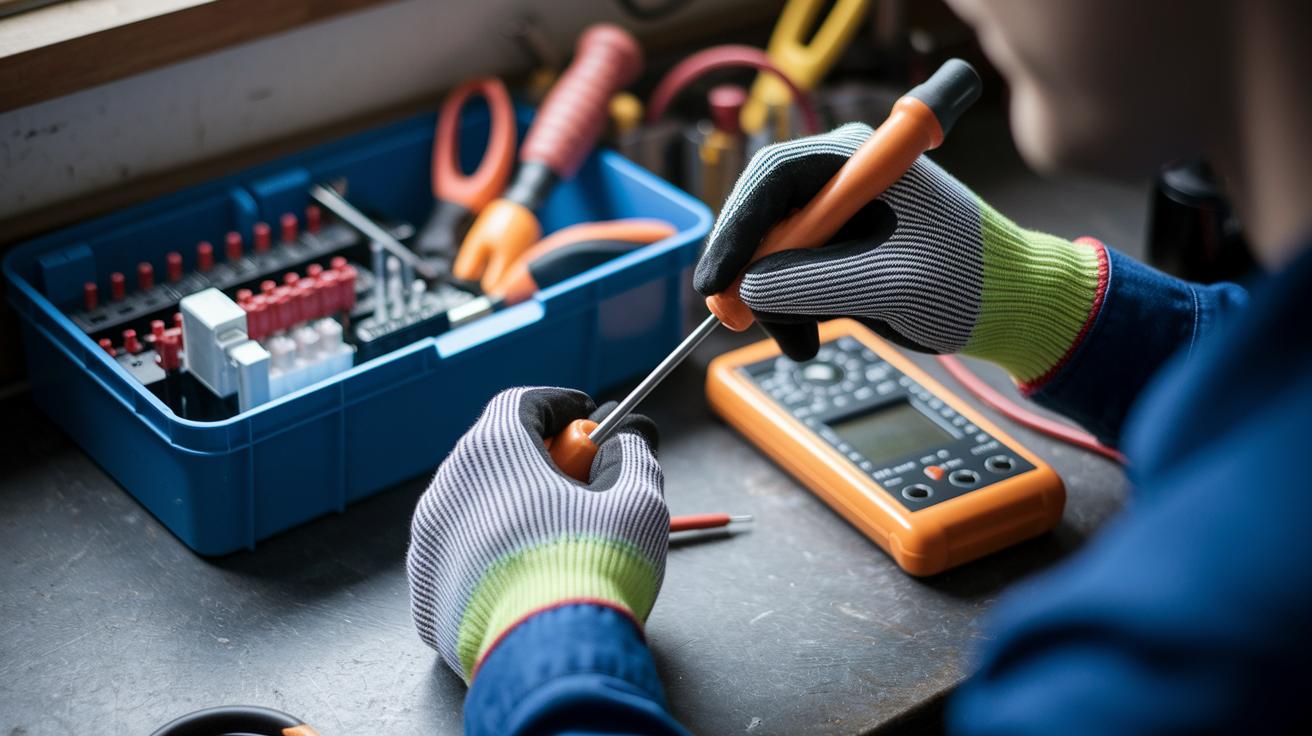
• Tools & Materials: Insulated fuse puller, insulated screwdriver, multimeter, torch (flashlight), dry gloves, proper replacement fuses
• Safety: Turn off power and wear dry gloves
- Pick up your tools first. An insulated fuse puller helps you grip and pull out the old fuse without a shock. An insulated screwdriver lets you open the fuse box covers safely.
- Check that the circuit is dead using a multimeter (a tool that measures electric flow). A torch makes it easier to see wiring details if light is low.
- Make sure you have the right replacement fuses. Most home fuse boxes have either screw-in fuses or cartridge fuses. Look at the amp rating and type on the old fuse, then get the exact match. Using the wrong fuse could cause overloads or new issues.
- Having extra replacement fuses and a small mirror can help you spot wiring you might miss. With these tools, you’ll work safely and know which parts go where.
| Tool/Part | Description |
|---|---|
| Insulated fuse puller | Grips and removes old fuses safely |
| Insulated screwdriver | Opens fuse box covers securely |
| Multimeter | Checks that circuits are dead |
| Torch (flashlight) | Improves visibility in low light |
| Dry gloves | Keeps your hands safe from shocks |
Fuse Box Fuse Replacement: Simple and Safe Steps
Quick Fix
• What: Replace a blown fuse safely
• Time: 15 min
• Skill: Beginner with care
• Tools: Insulated fuse puller, multimeter, screwdriver (if needed)
• Safety: Turn off main power before you start
- Turn off the main power at the fuse box. Make sure every circuit is dead to avoid electric shock. Double-check that no current is running.
- Unplug all appliances and lights on the affected circuit. This stops any power surge that could harm your new fuse.
- Use an insulated fuse puller to remove the blown fuse. Grip it firmly and pull straight out. Use a multimeter to check that the fuse is indeed dead.
- Look at the fuse closely. If you see a broken filament inside (a snapped metal line), it means the fuse has blown.
- Choose a new fuse with the exact same amp rating as the old one. Do not use a higher rating because this can lead to overload and fires.
- If you have a cartridge fuse, turn the cap counterclockwise to unscrew it. Remove the old fuse link, install the new one, and tighten the cap securely.
- Turn the main power back on. Test the circuit by checking your lights and appliances to ensure everything works normally.
Troubleshooting Tips for Fuse Box Fuse Replacement
Quick Fix:
- What: Stop repeated fuse blows
- Time: 10 min
- Skill: Beginner
- Tools & Materials: Fuse box, multimeter, screwdriver
- Cost Estimate: Parts $3–$10
- Safety Note: Turn off power before you start
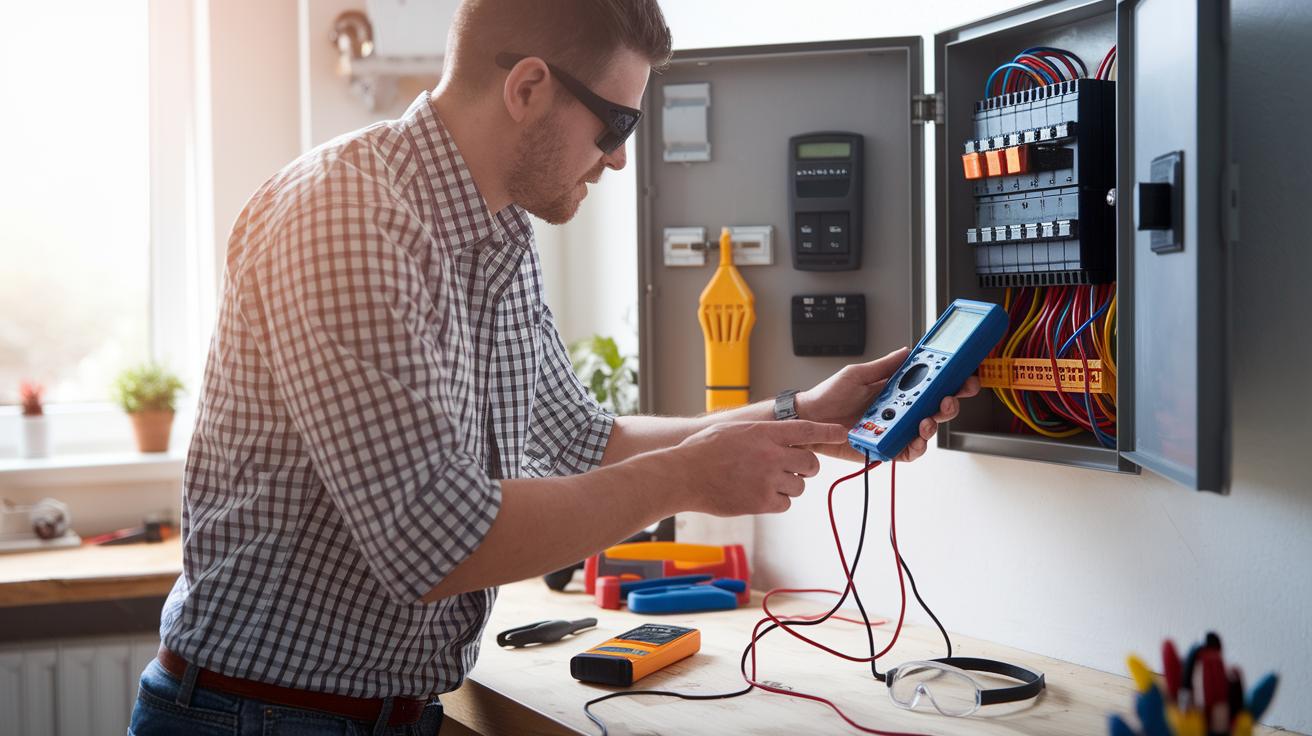
If your fuse blows over and over, it might be because too many devices are on one circuit or an appliance is faulty. High-power items like space heaters or microwaves can stress a fuse too much. Check the circuit with a multimeter (a tool that measures electrical current) to see if there’s a power loss. A broken filament inside the fuse is a clear sign that it has blown.
- Check your fuse box carefully. Look for signs of wear, rust, or loose connections. These could be early signs of a bigger problem.
- If you have a breaker panel, spot any switch that is out of place or flipped. This means the circuit tripped and may not need a full fuse replacement.
- Look at the wiring insulation and fuse holder. Small wear or tear might mean the parts are getting old and need attention.
- Spread high-power devices over different circuits. This helps prevent overloading one circuit and stops repeated fuse failures.
Before restoring full power, use your multimeter to test the new fuse with a continuity check (a test that ensures the electrical path is complete). These steps should help you fix most issues when replacing a fuse.
Repair Cost Analysis and Professional Service Pointers for Fuse Box Fuse Replacement
Quick Fix:
• What: Evaluate fuse replacement options
• Time: 5 min for cost review
• Skill: Basic DIY knowledge; call a pro for full upgrades
• Tools & Materials: New fuse ($3–$10) or funds for a panel upgrade ($1,400–$4,000)
• Safety: Always shut off power before starting
- If you have a blown fuse and feel comfortable, you can replace it yourself. A new fuse costs only a few dollars up to about $10.
- If your fuse box is old or keeps acting up, it might be smarter to get a full panel upgrade. This full job usually costs between $1,400 and $4,000. The cost depends on your electrical needs and if rewiring is needed.
- When upgrading, local permits and inspections are required. Code officials must check the work to keep it safe and up to today’s standards.
- For a full upgrade, it’s best to hire a licensed electrician. A pro will install the new panel, label each circuit, and offer warranty protection. This helps prevent problems later on.
For a quick cost check, see the table below:
| Option | Cost Estimate |
|---|---|
| DIY Fuse Replacement | $3–$10 |
| Full Panel Upgrade | $1,400–$4,000 |
Weigh these options carefully against the hassle and risks of using an outdated fuse box. Always put safety first and, if in doubt, consult with a professional.
Automotive Fuse Box Fuse Replacement Overview

Quick Fix:
• What: Replace a blown fuse to protect your car’s circuits.
• Time: 10 min
• Skill: Beginner
• Tools & Materials: Screwdriver, fuse puller or needle-nose pliers, new fuse with the same amp rating, dry gloves
• Cost: $3–$10
• Safety: Turn off your ignition and remove the key before starting
- Turn off your ignition and take out the key to stop any accidental power flow.
- Open the fuse box cover using the proper tool.
- Remove the blown fuse gently using a fuse puller or needle-nose pliers.
- Look at the fuse tip, if the filament is melted or broken, the fuse is blown.
- Replace it with a new fuse that exactly matches the old one’s amp rating (check your car manual).
- Close the fuse box and check your dashboard for any warning lights.
Keep your work area dry and wear dry gloves for extra safety. These simple steps help you complete a fuse replacement while keeping your car’s electronics in top shape.
Final Words
In the action, we reviewed key safety steps for fuse box fuse replacement and listed the right tools for a secure job. We walked through a step-by-step guide to remove a blown fuse, install the new one, and test the circuit safely. We also shared tips to troubleshoot common issues and compared DIY savings against professional help. Follow these clear steps to keep your home safe and work with confidence. Happy fixing!
FAQ
How to change a fuse in a modern fuse box
Changing a fuse in a modern fuse box involves turning off the main power, removing the faulty fuse with an insulated tool, verifying the amp rating, and replacing it with an identical fuse while following proper safety steps.
Fuses for house fuse box
Fuses for a house fuse box come in screw-in and cartridge types. Checking the printed amp rating on the old fuse ensures you select the right replacement for safe circuit protection.
Replacement fuse for house
A replacement fuse for a house should match the exact type and amp rating of the old fuse. Using the correct fuse keeps your circuits protected and maintains safe operation.
Fuse box diagram house
A fuse box diagram for a house displays the arrangement of circuits and fuses or breakers. It helps identify which fuse protects which circuit when troubleshooting or replacing a fuse.
Where are the fuses in a fuse box
Fuses in a fuse box are typically located behind removable panels or inside specific slots. Checking the circuit labels or diagram inside the box guides you to the right fuse.
Blown fuse in fuse box
A blown fuse in a fuse box shows a broken filament and causes power loss on its circuit. Using a multimeter for a continuity test confirms the issue before replacing the fuse with the same type.
Fuse box vs circuit breaker
A fuse box uses replaceable fuses that blow when overloaded, while circuit breakers trip to cut power. Each protects electrical circuits but works differently in how they reset after an overload.
How to fix blown fuse in car
To fix a blown car fuse, locate your vehicle’s fuse box, identify the blown fuse by its damaged appearance or loss of power, and replace it with a new fuse of the same rating per the manual.
Can I change the fuse in the fuse box myself?
Changing the fuse yourself is possible if you follow safety steps like shutting off power, using insulated tools, and matching the fuse ratings. If unsure, asking a pro is a smart move.
Do you need an electrician to change a fuse in the fuse box?
You don’t necessarily need an electrician for a simple fuse replacement if you follow safety guidelines. However, if your fuse box is old or complex, a professional can help ensure safety.
How do I know if my breaker box fuse is blown?
A blown fuse in your breaker box is indicated by a reset switch that stands out or by power loss in a specific circuit. Testing with a multimeter confirms if the fuse has failed.
How much does it cost to have a fuse box replaced?
The cost to replace a fuse box typically ranges from $1,400 to $4,000, based on your home’s needs and labor. Hiring a licensed electrician ensures proper installation and compliance with codes.