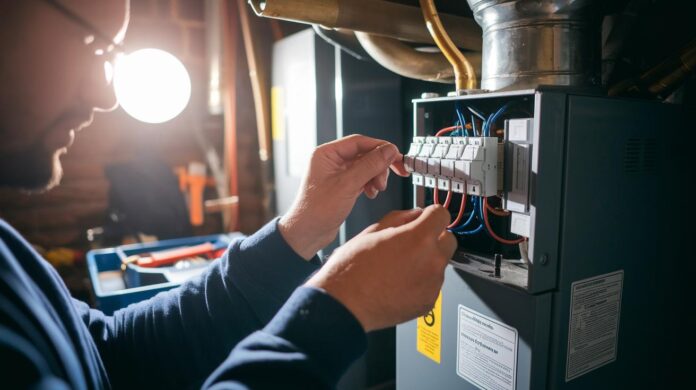

Quick Fix: Replace Furnace Fuse
Outcome: Restore your furnace to work safely
Time: 15 min
Skill: Beginner
Tools: Screwdriver, new fuse (check specs), voltage tester (optional)
Cost: Parts $3–$10
Safety: Turn off power at the breaker before you start
- Turn off the furnace power at the breaker to keep safe.
- Open the furnace panel using a screwdriver.
- Look at the fuse and see if it is blown.
- Remove the blown fuse carefully.
- Check the wiring for any visible damage.
- Snap in a new fuse that matches the old one.
- Put the panel back and turn the power on.
- Test your furnace to be sure it runs steadily.
If your heater still shuts down or acts strange, recheck your wiring or consider calling a pro.
How to Replace a Furnace Fuse Safely
Quick Fix:
• What: Replace a furnace fuse safely
• Time: 15 min
• Skill: Beginner
• Tools & materials: Insulated gloves, safety goggles, voltage tester, matching replacement fuse (3 A or 5 A at 250 V), screwdriver
• Cost: Parts $3–$10
• Safety: Turn off power at the breaker before starting
- Turn off the furnace power at the circuit breaker.
- Remove the access panel to find the fuse on the control board.
- Use your voltage tester to check that there is no voltage on the 24 V wiring.
- Carefully pull the old fuse straight out.
- Insert the matching replacement fuse into the holder.
- Replace the access panel, turn the power back on, and test the furnace.
After you install the new fuse, take a close look at the fuse holder. Check for signs of damage like melted plastic or loose wiring. Make sure the new fuse has the same rating as the original. If the fuse blows again or you notice strange smells or odd fan behavior, turn off the power immediately and recheck the wiring for shorts. This final check helps keep your furnace running safely and reliably.
Identifying a Blown Furnace Fuse with Visual and Operational Checks

Quick Fix:
• What: Confirm your furnace fuse is blown
• Time: 10 min
• Skill: Beginner
• Tools: Flashlight
• Cost: Free
• Safety: Shut off power before you start
- Check your furnace. If the heater never turns on or the controls don't work, you might have a blown fuse. Even if the thermostat is up, your furnace won't heat, and the circuit breaker may trip.
- Look at the fuse closely. Use a flashlight to spot any broken or melted parts inside the fuse. Also, check for burns or damage around it.
- Watch out for these signs:
• No heat
• Controls not working
• Burning or melting smells
• A tripped circuit breaker
If you see any of these clues, the fuse is likely damaged and should be replaced.
Diagnosing Common Causes of Furnace Fuse Failures
Quick Fix:
• What: Find out why your furnace fuse blew.
• Time: 15 min
• Skill: Basic troubleshooting
• Tools & Materials: Screwdriver, multimeter, flashlight
• Safety: Turn off the furnace before you start
- Check for Electrical Shorts. Look for thermostat wires touching the metal frame or a faulty outdoor contactor coil. Even a small miswire can steal power and blow the fuse.
- Inspect Accessories. Make sure devices like humidifiers and zone controllers are not drawing too much power. For example, a humidifier pulling 12–18 VA from the transformer can overload the circuit.
- Look for Mechanical and Environmental Problems. Dust in the blower motor, water from humidifiers, or a worn switch can create excess heat or shorts, which may cause the fuse to blow.
Tip: A tiny wiring error can harm safety circuits. Fix any loose or shorted wires right away to protect your system.
Essential Tools and Safety Precautions for Fuse Replacement
Quick Fix:
• What: Replace a blown fuse
• Time: 10–15 min
• Skill: Beginner
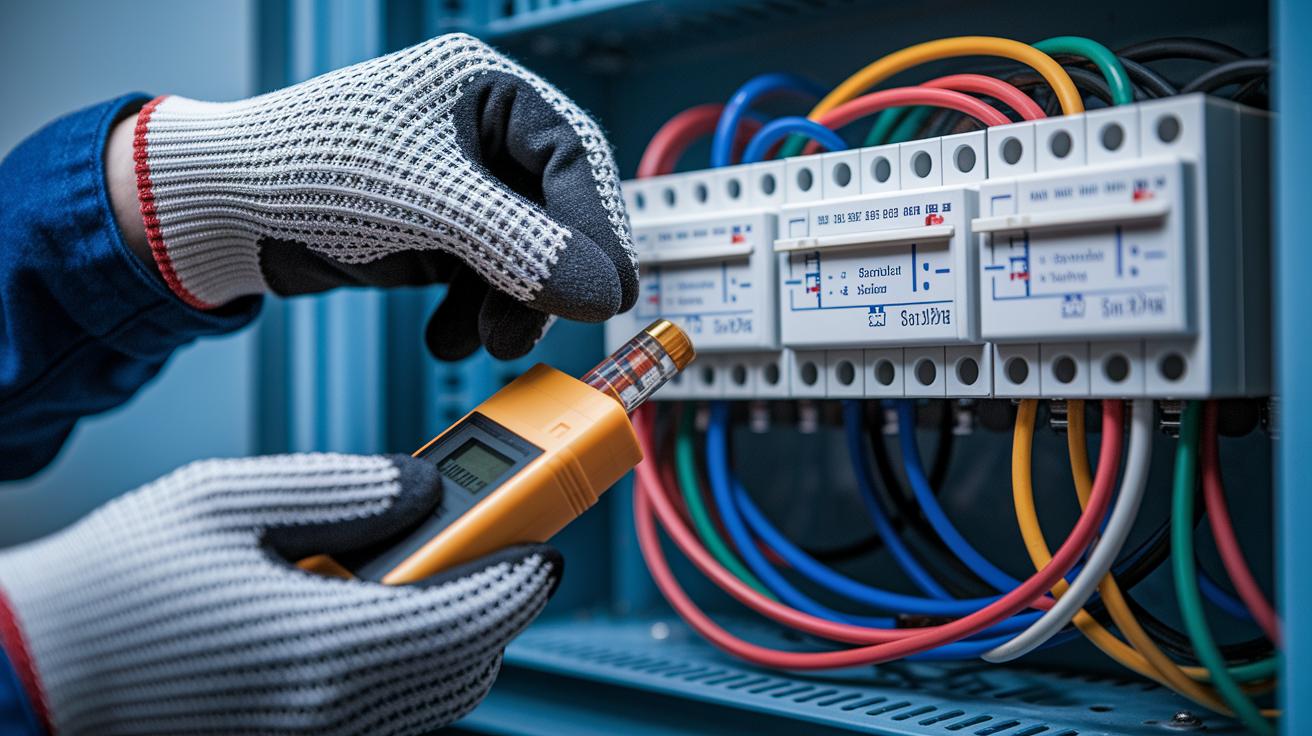
• Tools & Materials: Voltage tester or multimeter, insulated gloves, screwdriver or nut-driver set, proper replacement fuse (3 A/5 A at 250 V)
• Cost: Parts $3–$10
• Safety: Turn off power and wear protective gear
- Gather your voltage tester, insulated gloves, screwdriver, and the correct fuse.
- Put on your gloves and safety goggles. Always double-check that the circuit is de-energized.
- Shut off the main power at the breaker. If you can, use a lockout/tagout method to keep it off.
- Use your voltage tester to confirm no voltage is present.
- Note down the fuse number and its location for proper documentation.
- Match the replacement fuse to your circuit and install it safely.
Follow these steps to keep your work safe and efficient.
Choosing and Sourcing the Correct Furnace Fuse
Quick Fix:
• What: Match your furnace fuse to the correct current rating (3 A or 5 A)
• Time: 10 min
• Skill: Basic electrical check
• Tools & Materials: Your old fuse or owner manual, replacement fuse
• Cost: Parts $3–$10
• Safety: Turn off power to the furnace before you start
- Check your old fuse or your owner manual to see if your furnace needs a 3 A or a 5 A fuse.
- The fuse rating tells you how much power it can handle. Using a fuse with a higher rating might hide wiring problems and might not blow when it should.
- Both fuse types work at about 250 V (roughly 250 volts). Make sure the voltage matches for safe operation.
- Choose your fuse source: OEM (original from your furnace maker) fuses are usually best, but you can also find aftermarket options at home improvement stores, HVAC parts shops, or online.
- Compare the specs and prices to pick the right fuse for your system.
This simple process helps keep your furnace’s low-voltage circuit safe and avoids future issues.
Preventative Maintenance to Extend Furnace Fuse Life
Quick Fix:
- What: Keep your furnace fuse working smoothly.
- Time: 10–15 min per check.
- Skill: Beginner.
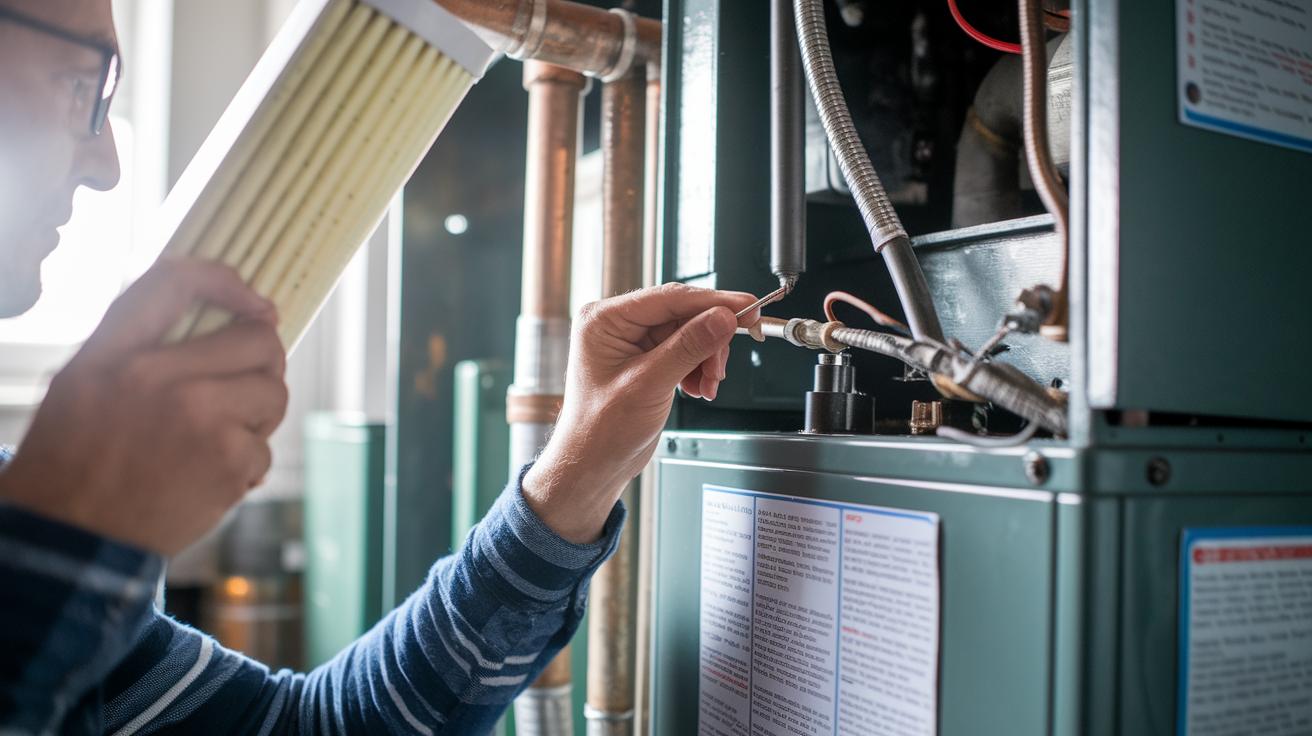
- Tools & Materials: New furnace filter, screwdriver, cleaning cloth.
- Cost: Parts $5–$20.
- Safety: Turn off power to the furnace before you start.
Steps:
- Clean or replace your furnace filter. Dust can overheat the blower motor.
- Check your low-voltage wiring connections each year. Tighten any loose wires to avoid shorts.
- Inspect nearby components for wear. Fix small issues before they grow.
- Look over connected devices like humidifiers and condensate lines. Leaks here can lead to electrical faults.
- Keep a log of fuse replacements and inspection dates. This helps you spot recurring problems.
Regular upkeep like this makes sure your furnace stays safe and reliable.
When to Seek Professional Help for Fuse Replacement
Quick Fix:
- What: Fix fuse blowing issue
- Time: About 3 min (for a pro to check)
- Skill: Basic troubleshooting; call a technician if uncertain
- Tools & Materials: New fuse (for reference only); specialized tools used by a pro
- Cost: Varies based on needed repair
- Safety: Turn off furnace power before you start
- If your new fuse blows right after you install it, a wiring short may be present.
- Check for signs like no heat, unresponsive controls, or a burning smell.
- These warning signs mean that simply swapping the fuse will not fix the issue.
- The problem might be a deeper wiring fault that can hurt the transformer.
- Call a certified HVAC technician. They use special tools to quickly find wiring shorts.
- Their work meets industry standards to keep your furnace running safely and prevent future fuse failures.
Final Words
In the action, you’ve learned how to tackle furnace fuse replacement step by step, from shutting off power and testing voltage to safely selecting and installing the right fuse.
You also saw how to spot symptoms of fuse failure and prevent future issues through routine inspections and proper maintenance. Follow these clear instructions and guidelines to handle your fuse fix confidently and efficiently. Enjoy a well-running furnace and more time for what matters.
FAQ
Furnace fuse replacement cost
The furnace fuse replacement cost typically covers both parts and labor, ranging roughly from $50 to $150. Prices vary by system and location, so checking with local technicians gives a more precise estimate.
HVAC furnace fuse replacement
The HVAC furnace fuse replacement involves safely switching out the protective fuse on your furnace’s control board. Always cut power before starting and use the correct fuse as outlined by your unit’s manual.
Carrier furnace fuse replacement
The Carrier furnace fuse replacement means using a matching fuse for your Carrier model, following guidelines in the user manual. Confirm the correct rating and consult Carrier support if you have any doubts.
Where is the furnace fuse located
The furnace fuse location is on the control board, usually found behind an access panel. Once power is off, you can remove the panel to easily access the fuse near the transformer.
E fuse HVAC replacement
The E fuse HVAC replacement refers to switching out the electronic safety fuse in the system. Always adhere to safety protocols, verify zero voltage, and use a fuse with the proper 3A or 5A, 250V rating.
Where to buy a 3 amp fuse for furnace
The 3 amp fuse for furnaces is available at home improvement stores like Home Depot or Lowe’s, as well as through online HVAC suppliers. Ensure the fuse is rated at 250V to match your system’s needs.
Where to buy a furnace fuse
The furnace fuse can be purchased at local hardware or home improvement stores, and numerous online retailers also offer replacement fuses. Make sure you choose one that meets your manufacturer’s specifications.
How do you tell if a furnace fuse is blown
The method to tell if a furnace fuse is blown includes noticing loss of heat, unresponsive controls, or a visible broken filament. Using a voltage tester confirms the absence of voltage and a blown fuse.
How do you replace a blown fuse on a furnace
The process to replace a blown fuse on a furnace starts with shutting off power, removing the access panel, verifying zero voltage, carefully pulling out the old fuse, inserting a new correct fuse, and then restoring power.
Can I change a fuse myself
The idea of changing a fuse yourself is feasible provided you follow strict safety protocols. Shut off power, use proper tools, and if you spot any electrical issues, consider consulting a professional.
What type of fuse goes in a furnace
The type of fuse for a furnace is generally a 3 amp or 5 amp fuse rated at 250V. Always check the current fuse and the manual to ensure you select the right rating for your system.