

Quick Fix
• What: Get your car started by replacing a bad fuel pump fuse
• Time: 15 min
• Skill: Beginner
• Tools & Materials: Basic screwdriver, replacement fuse (check your owner’s manual for the right type)
• Cost: Parts $2–$5
• Safety: Turn off the engine before you start
- Pop open your car’s fuse box. Check your owner’s manual for its location.
- Look for the fuel pump fuse. It might be labeled so you can be sure you’re picking the right one.
- Use a fuse puller or a screwdriver to remove the old fuse.
- Snap in the new fuse, making sure it fits correctly.
- Close the fuse box and try starting your car.
If your car still has trouble starting, it might be time to check other parts or call a pro. Enjoy the ride!
Diagnosing and Replacing Your Fuel Pump Fuse
Quick Fix:
• Outcome: Fix a fuel pump fuse issue so your engine starts reliably.
• Time: 15 min
• Skill: Beginner (basic car troubleshooting)
• Tools & Materials: Fuse puller or needle-nose pliers, multimeter, car manual
• Cost: Parts $3–$10
• Safety: Remove the battery's negative terminal before starting.
- Disconnect the battery. This stops any sparks or short circuits while you work.
- Turn the key and listen for a 2-second hum from the fuel pump (a steady low buzz). No sound means the fuse or wiring might be the problem.
- Find your fuse box. Check under the hood or beneath the dash. Look for a label like "Fuel Pump" or "FP." Your car manual can help.
- Remove the suspected fuse using a fuse puller or needle-nose pliers. Hold it in bright light and inspect the metal strip inside. If it’s broken, the fuse is blown.
- Test the fuel pump power with a multimeter. With the key on, measure the voltage at the pump connector. A good reading with no pump noise can mean the pump is failing. No voltage may point to wiring issues or a faulty fuse box.
- If the fuse is intact yet the pump stays silent, try swapping the fuel pump relay with one that works. Seeing power at the connector but no pump activity usually indicates a bad pump.
- Reconnect the battery and start the engine. If the engine runs smoothly, you’ve fixed the problem.
Locating the Fuel Pump Fuse and Fuse Box Layout

Quick Fix:
• What: Find the fuel pump fuse
• Time: 5 min
• Skill: Beginner
• Tools & materials: Owner's manual, good light
• Safety: Make sure the engine is off and cool
- Look under the hood near the battery. Search for a fuse block labeled "Fuel Pump" or "FP."
- If you do not see it up front, check under the dashboard where fuel pump components are usually found.
- If the labels are hard to read, use your owner’s manual for a clear diagram.
- Note that fuse block layouts can change with different car makes like Ford, Toyota, or Honda.
Below is a simple layout showing the location of the fuel pump fuse compared to the main fuses:
| Fuse Box Area | Label |
|---|---|
| Under the Hood | Fuel Pump or FP |
| Beneath the Dash | Fuel Pump or FP |
If the diagram does not match your vehicle, check the owner's manual for a model-specific layout.
Safety Precautions and Essential Tools for Fuel Pump Fuse Service
Quick Fix:
• What: Safely service your fuel pump fuse
• Time: 10 min prep
• Skill: Beginner
• Tools & Materials: automotive multimeter, fuse puller or needle-nose pliers, spare OEM-rated fuses, insulated gloves, safety glasses
• Safety Snap: Disconnect the battery and work in a dry, well-ventilated area
- Disconnect the negative battery terminal. This stops power flow and lowers the spark risk.
- Set up your work area in a dry, well-ventilated spot to avoid fuel vapors and moisture.
- Use only insulated tools and gloves to keep your hands safe from any live circuits.
- Always wear safety glasses to protect your eyes from flying debris and sparks.
- Clear your workspace so that tools are easy to pick up and you reduce trip hazards.
Following these steps ensures a secure setup and makes checking and replacing your fuel pump fuse both quick and reliable.
Step-by-Step Electronic Fuse Replacement for Your Fuel Pump
Quick Fix:
• What: Replace the fuel pump fuse
• Time: 15 min
• Skill: Basic DIY
• Tools: Fuse puller, new fuse matching the original’s rating
• Cost: Parts $1–$5
• Safety: Disconnect the battery before you start
- Disconnect the negative battery cable.
- Use a fuse puller to take out the blown fuse. Keep it away from any metal surfaces. (A gentle pull should show a clear break in the fuse’s filament.)
- Check the fuse in bright light. Look for any broken parts or discoloration.
- Insert a new fuse that has the same amperage rating. Press it firmly until it sits securely. (A tight fit stops extra resistance that can lead to overheating.)
- Reconnect the negative battery cable as you did before.
- Turn the ignition ON and listen for a two-second priming hum. This sound shows the pump is getting power.
- Start the engine. A smooth start means your fuse replacement was a success.
What to Do When Fuse Replacement Doesn’t Fix Fuel Pump Issues
Quick Fix:
• What: Get the fuel pump to work again
• Time: 30–60 min
• Skill: Basic auto electrical troubleshooting
• Tools & Materials: A known good relay, automotive multimeter, screwdrivers
• Cost: Parts $0–$20
• Safety: Disconnect the battery before you start
- Swap the Relay: Turn off the battery and remove the fuel pump relay. Replace it with one that you know works. If you hear a short two-second hum from the pump, the relay was the culprit.
- Check for Voltage: With the ignition on, use your multimeter to test the relay socket. Voltage should reach the pump connector. If you get no voltage, the wiring or fuse box connection might be broken.
- Inspect the Wiring: Follow the wiring from the fuse box to the pump. Look for broken wires, shorts, or loose connectors. Make sure the wiring harness has no signs of corrosion, like a grayish buildup on the pins.
- Test the Pump Motor: If the wiring shows power but the pump stays quiet, use the multimeter to check for continuity in the pump motor. A broken circuit inside means the motor may need to be replaced.
- Examine the In-Tank Filter: Remove the in-tank filter if you can. Check it for debris or clogs that might be stopping the pump from working properly.
These steps help you pinpoint the issue if the fuse isn’t the problem. Follow them carefully to find the faulty part and get things running again.
Advanced Diagnostics: Voltage Drop, Wiring Upgrades, and High-Performance Systems
Quick Fix:
• What: Test and fix voltage drops while upgrading wiring for peak pump performance
• Time: 30 min
• Skill: Intermediate (basic electrical testing and soldering)
• Tools & materials: Digital multimeter, soldering iron, heat-shrink tubing, 10–12 gauge wiring, heavy-duty fuse block, OEM-approved relays and fuses
• Cost: Parts $20–$50
• Safety: Disconnect the battery before working on wiring
-
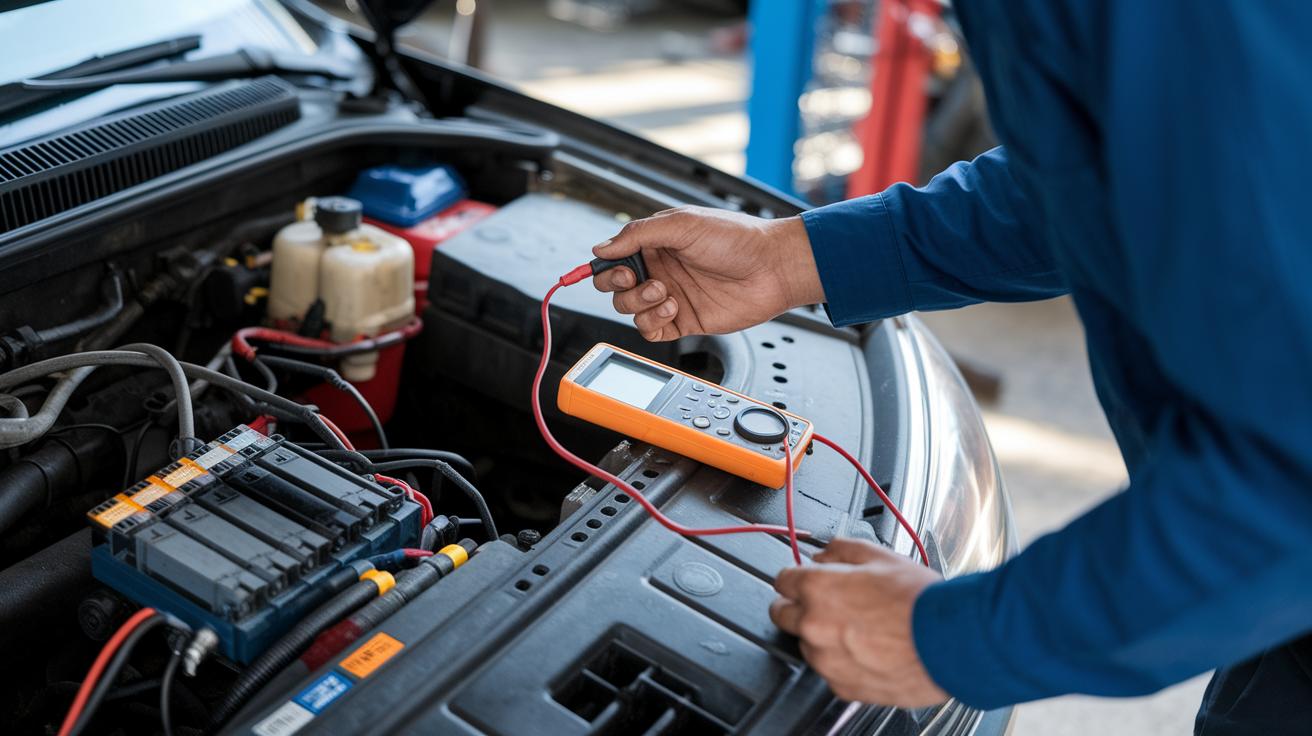
Use your digital multimeter to test for voltage drop along the fuel system. With the pump running, check the voltage between the battery and the relay. This step helps spot any unwanted resistance.
-
If you have a high-amperage EFI pump, replace the wiring from the battery to a dedicated relay with 10–12 gauge wire (3–3.5 mm). Thicker wires reduce voltage loss.
-
For LS swaps, make sure your fuel pressure stays at 58 PSI (4 bar) to supply the pump with enough power. Keeping proper pressure is key for top performance.
-
Strengthen all wiring connections. Solder the joints and cover them with heat-shrink tubing to secure each connection. Replace any old or corroded connectors with heavy-duty fuse blocks that meet OEM standards.
-
Draw a simple diagram that maps the battery, relay, fuse, and pump. This sketch can help you find weak points along the wiring path.
-
Re-test voltage drops at critical spots. First check the fuse and then measure at the pump connector under load. High voltage drop here may indicate worn wiring or loose connectors. Replace any suspect components with OEM-approved relays and fuses to keep the system stable.
Preventive Maintenance Tips for Long-Lasting Fuel Pump Fuses
Quick Fix:
- What: Keep your fuel pump fuses in top shape
- Time: 10 min each check
- Skill: Beginner
- Tools & Materials: Electrical cleaner, dielectric grease, replacement fuses, inline fuse kit, maintenance log
- Cost: Parts $5–$20
- Safety: Disconnect power before you begin
- Check your fuse connections every six months or during oil changes. Look for any loose or rusty parts.
- Clean the terminals with an electrical cleaner. This removes buildup and keeps the connections solid.
- Apply a little dielectric grease to fuse holders and terminals. The grease keeps moisture and dirt away, which prevents corrosion.
- Swap out any aging fuses as soon as you spot wear. This helps avoid sudden failures.
- Consider installing inline fuses near the fuel pump. These extra fuses protect against surges and damage.
- Set up a regular maintenance schedule. Write down the dates of your checks to track fuse performance and quickly address any issues.
Final Words
In the action, you learned to diagnose and swap your fuel pump fuse safely and quickly. The guide walked you through testing for power, safely removing the old fuse, and confirming the pump’s operation. You also got tips to check wiring and relay issues if things aren’t working perfectly. Keep these steps in mind and use routine maintenance to catch small problems early. With careful work, fuel pump fuse replacement is a practical fix that saves time and money. Stay safe and keep tackling the project step by step.
FAQ
What does fuel pump fuse replacement for Toyota, Ford, and Chevy involve?
Fuel pump fuse replacement for these vehicles involves locating the correct fuse marked “Fuel Pump” or “FP,” checking it for damage, and installing a matching OEM-rated fuse as described in your owner’s manual.
Where is the fuel pump relay fuse located?
The fuel pump relay fuse is typically found in the fuse box, either under the hood or beneath the dash. Look for labels like “Fuel Pump” or “FP” and refer to your manual for exact placement.
What are the symptoms of a blown fuel pump fuse or a faulty fuel pump relay?
A blown fuel pump fuse or bad relay often shows as engine stalls, a “crank but no start” situation, or the absence of a two-second priming hum when you turn the ignition.
How do I tell if my fuel pump fuse is bad?
You can tell a fuel pump fuse is bad if there’s no power at the pump connector or you don’t hear the two-second priming hum when the ignition is turned on; a multimeter test further confirms its condition.
How does one reset the fuel pump relay?
Resetting the fuel pump relay can involve disconnecting the battery for a few minutes and reconnecting it; some relays feature a reset button which, when pressed, may reinitialize the system.
How can a fuel pump relay diagram help with troubleshooting?
A fuel pump relay diagram helps by clearly showing the wiring connections between the fuse, relay, and pump, aiding you in pinpointing faulty wires or mis-seated connections during troubleshooting.
How much does it cost to replace a fuel pump fuse and a fuel pump on a Chevy S10?
Replacing a fuel pump fuse costs only a few dollars for parts, whereas replacing a fuel pump on a Chevy S10 may run anywhere from $200 to $400 based on parts and labor if performed by a professional.
Which fuse controls the fuel pump?
The fuse that controls the fuel pump is usually labeled “Fuel Pump” or “FP” within the fuse box, so check the diagram in your owner’s manual to identify the correct fuse.