
Quick Fix
• What: Replace your car charger fuse so your devices charge again
• Time: 20 min
• Skill: Beginner
• Tools & Materials: New fuse, fuse puller or needle-nose pliers, car manual
• Cost: Parts $3–$10
• Safety: Turn off your car and, if needed, disconnect the battery
- Turn off your car. For extra safety, disconnect the battery if your manual suggests it.
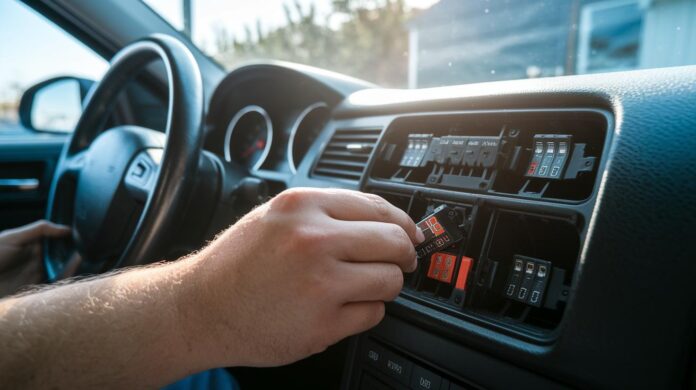
- Open the fuse box. Check the diagram on the cover to find the charger fuse.
- Use a fuse puller or a pair of pliers to remove the faulty fuse carefully.
- Snap the new fuse into the same slot, making sure it fits well.
- Turn on your car and test the charger to make sure your devices get power.
Done. Enjoy getting back on the road with a working charger!
How to Replace a Car Charger Fuse: Step-by-Step Tutorial
Quick Fix:
• What: Replace your car’s charger fuse so it charges properly.
• Time: 20 min
• Skill: Beginner (take extra care with battery connections)
• Tools: Fuse puller or needle-nose pliers; digital multimeter; replacement fuse with the same amperage (commonly 12V 1A or 12V 2A)
• Cost: $5–$10
• Safety: Turn off the ignition and disconnect the negative battery terminal
- Turn off your car and remove the key. This stops all power from flowing.
- Unhook the negative battery cable to keep sparks from starting.
- Look for the charger fuse. It is usually in the fuse box under the dash or behind an interior panel near the cigarette lighter.
- Use a fuse puller or needle-nose pliers to pull out the fuse. Hold your tool tightly so you don't damage it.
- Check the fuse with your digital multimeter. If it reads zero ohms, the fuse is still good. If it shows infinite ohms, it’s blown.
- Get a new fuse that matches your car’s amperage rating (for example, 12V 1A or 12V 2A). Check your vehicle manual if unsure.
- Place the new fuse in the same slot, making sure it fits snugly.
- Reconnect the negative battery cable securely to restore your car’s electrical system.
- Start the car and test the charger port to confirm your device is charging correctly.
- Keep an eye on the fuse and nearby parts for any signs of overheating or damage. If problems continue, review the wiring or consider asking a professional for help.
Troubleshooting Car Charger Fuse Replacement Problems
Quick Fix:
What: Fix a car charger fuse issue
Time: 15 min
Skill: Beginner (basic tool handling)
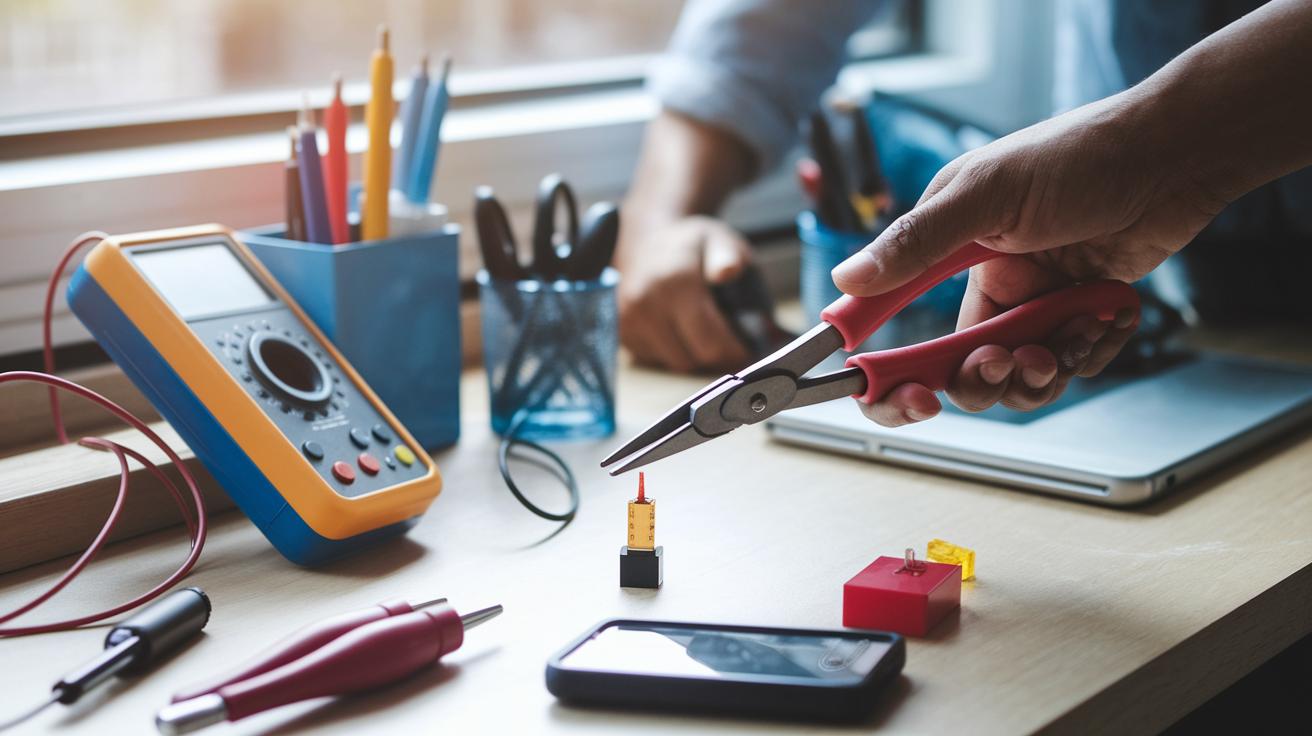
Tools & Materials: Fuse puller or needle-nose pliers, digital multimeter
Cost Estimate: Parts $3–$10
Safety: Unplug the charger or disconnect power before starting
- Check your charger's behavior. If it loses power, charges only now and then, or shuts off devices, the fuse might have blown to protect the circuit during a surge.
- Remove the fuse gently from the charger port using a fuse puller or needle-nose pliers so you can inspect it closely.
- Test the fuse with a digital multimeter set to continuity mode. A reading of 0 ohms means the fuse is good. If you see infinite resistance, the fuse is blown.
- If the fuse is okay but charging still fails, inspect the wiring and connections near the charger port. Look for signs of corrosion, damage, or loose wires.
- If the same fuse blows repeatedly, it could be a short circuit, faulty wiring, or an accessory that doesn’t match your system.
- Finally, double-check all connections. Make sure the fuse is securely seated in the fuse box and the charger socket is tight to help prevent future issues.
Essential Tools and Materials for Car Charger Fuse Replacement
Quick Fix
• What: Replace your car charger fuse
• Time: 10-15 min
• Skill: Beginner
• Tools & Materials: Fuse puller or needle-nose pliers, digital multimeter, assorted blade fuses (like 12V 1A, 12V 2A, and 15A), auto fuse kit, insulated gloves
• Cost estimate: $5–$20
• Safety: Disconnect the battery or switch off the engine before you start
- First, grab the right tools. Use a fuse puller or needle-nose pliers to remove fuses safely so you don’t damage the clips.
- Use a digital multimeter to check for proper continuity and voltage in your circuit. This tool helps you spot any issues quickly.
- Pick up a range of blade fuses that match your car’s needs. Options like 12V 1A, 12V 2A, or a standard 15A fuse give you flexibility for different charging ports.
- Consider buying an auto fuse kit from your local parts store. These kits usually include a tester, extra fuses, and a puller, making it easier if you face several fuse problems.
- Wear insulated gloves while working. They keep your hands safe and stop oil from messing up the parts.
- Make sure you choose the right fuse for your charger setup. Using the proper fuse helps protect your car’s electrical system from power surges and saves you from frequent replacements.
| Tool | Purpose | Example |
|---|---|---|
| Fuse Puller | Remove fuses safely | XYZ Brand Model |
| Digital Multimeter | Check continuity & voltage | Fluke 117 |
| Assorted Blade Fuses | Replace blown fuses | 12V 1A, 12V 2A, 15A |
| Insulated Gloves | Protect your hands | Mechanix Wear |
Selecting the Right Fuse for Your Car Charger
Quick Fix:
- What: Choose the correct fuse for your charger
- Time: 5 min
- Skill: Beginner
- Tools/Materials: Your car manual, a replacement fuse (typically costing $1–$5)
- Safety: Turn off your charger before starting
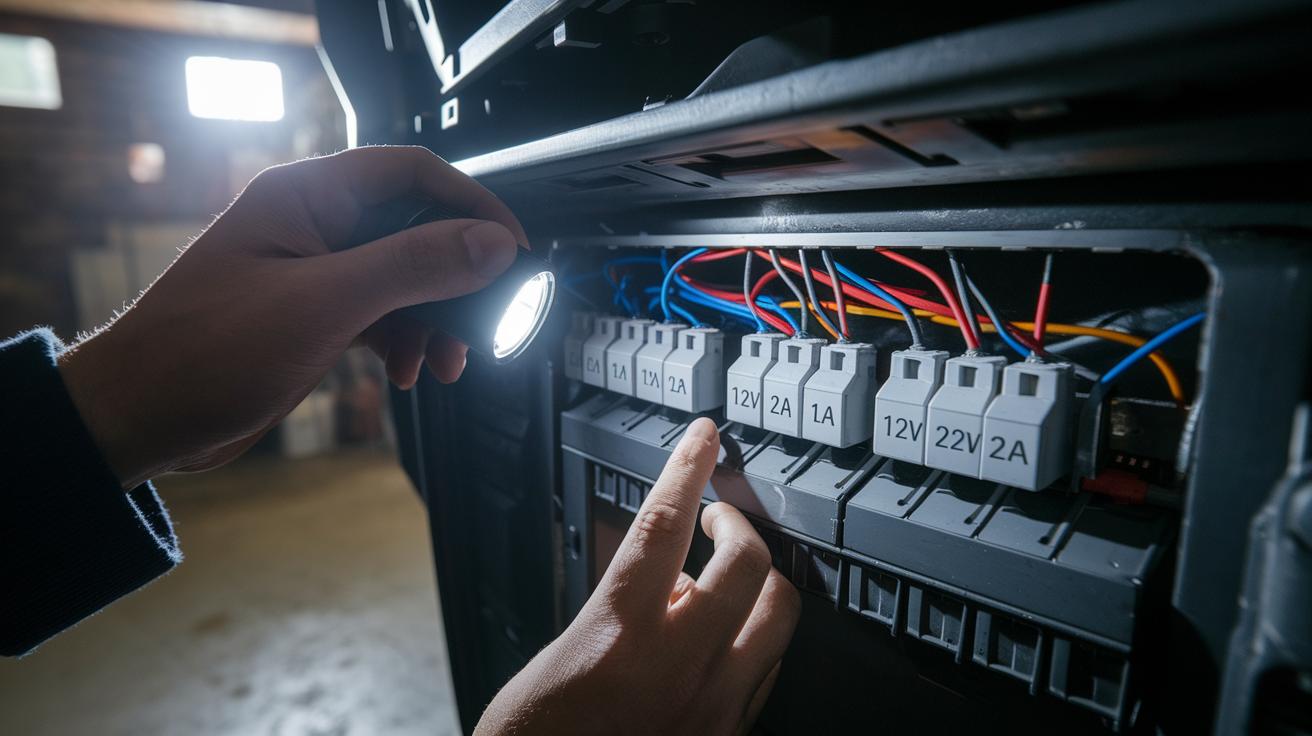
- Check your charger’s specs. Some need a 12V 1A fuse while others require a 12V 2A fuse.
- Look in your car manual to see the proper fuse rating for each circuit. This helps you match your fuse to your vehicle’s design.
- If your charger plugs into a standard auto socket, it usually calls for a 15 amp blade fuse (about 15 amps or 15 A). Stick with that if needed.
- Use the right amperage to stop repeated fuse blows and avoid overheating. This keeps fire hazards and electrical faults at bay.
- If your charger keeps blowing fuses, check both the charger model and the socket type. A mismatch in amperage may be the issue.
Always pick a high-quality fuse that can handle any small voltage surges so it only cuts the power when necessary.
Safety Precautions for Car Charger Fuse Replacement
Quick Fix:
• What: Replace your car charger fuse safely
• Time: 10 min
• Skill: Beginner
• Tools & Materials: Insulated gloves, eye protection
• Cost: Parts are low-cost
• Safety: Turn off the ignition and disconnect the battery before starting
- Turn off your car’s ignition and remove the key to stop electrical power.
- Detach the negative battery cable first while wearing insulated gloves to lower the risk of sparks or short circuits.
- Put on eye protection so your eyes are safe from any sparks or flying bits.
- Work in a dry area without moisture to reduce the chance of electrical shock.
- Keep metal tools away from live circuits to avoid accidental contact with power.
- Once the new fuse is in place, reconnect the negative battery cable last. Then test the circuit to confirm the fuse works properly.
Before you start, double-check that you have all your safety gear and that your work area is clear. Take your time following these steps to protect yourself and your vehicle from any unexpected electrical shocks.
Car Charger Fuse Replacement Cost Guide and Purchasing Options

Quick Fix:
• Outcome: Replace your car charger fuse yourself
• Time: 10–20 min
• Skill: Beginner
• Tools: New fuse, basic tools
• Cost: Parts about $5–$10
• Safety: Disconnect the car power before starting
- Fuse Cost: Car charger fuses range in price from under $1 to over $5. They cost more if you need a fuse with a higher amperage, and branded fuses lower the chance of early failure.
- Save on Labor: Doing the work yourself means you only pay for the parts. Hiring a pro can cost anywhere from $20 to $50 per hour.
- DIY or Pro: If your issue is simple and you have the right tools, swap the fuse yourself. For more complicated problems, a professional check can save you trouble.
- Where to Buy: Replacement fuses are available at auto parts stores and online. Retailers like AutoZone and Advance Auto Parts offer options such as 12V 1A, 12V 2A, and standard 15A fuses.
- Price Check: Compare prices from trusted sellers to get the best deal. A DIY fuse fix typically totals around $5–$10, much lower than professional labor costs.
Final Words
In the action, you learned how to safely remove a fuse, test it with a multimeter, and install the right replacement. You also explored tips for troubleshooting and ensuring the work area is safe before starting.
The guide wrapped up with a cost comparison and a rundown of essential tools. Using these steps, your car charger fuse replacement becomes a quick, hands-on fix that saves time and money. Stay confident and keep your DIY skills sharp.
FAQ
What is the car charger fuse replacement cost?
The car charger fuse replacement cost typically ranges from under $1 to about $5 for the fuse itself, with professional labor possibly adding $20–$50 per hour if you choose a mechanic.
How do I replace a car charger fuse on my Chevy, Toyota, or Honda?
Replacing a car charger fuse on Chevy, Toyota, or Honda follows the same steps: switch off the ignition, disconnect the negative battery terminal, locate the fuse, remove the blown one using a fuse puller or pliers, test with a multimeter, and insert a matching replacement fuse.
How do I check a cigarette lighter fuse?
Checking a cigarette lighter fuse starts with switching the car off and locating the fuse, then visually inspecting the fuse for damage and using a multimeter to test for continuity.
What is the fuse for a car charger port?
The fuse for a car charger port is a blade fuse that protects the circuit; it may be rated between 1A and 2A for phone chargers or up to 15A for standard accessory outlets.
Why is my car charger not working on the lighter port?
When your car charger is not working on the lighter port, it may be due to a blown fuse, loose connections, or damaged wiring, so checking and replacing the fuse is a good first step.
What amp fuse is used for a 12V cigarette lighter?
A 12V cigarette lighter fuse commonly uses a rating between 10A and 15A; always refer to your vehicle’s manual for the exact recommendation.
What fuse do I need for my car charger and what is it called?
The required fuse for your car charger is typically a blade fuse, sometimes called an accessory fuse, and it is chosen based on the amperage specified in your vehicle manual.
Can I replace a cigarette lighter fuse myself?
Yes, you can replace a cigarette lighter fuse yourself using basic tools like a fuse puller and a digital multimeter, following safety steps such as disconnecting the negative battery terminal.
What size fuse should I use for a car charger?
The proper fuse size for a car charger depends on your vehicle’s specifications; it is best to match the amperage rating listed in your owner’s manual, usually between 1A and 2A or the standard 15A for accessory outlets.