

Quick Fix: Spot a Leaking Sewer Pipe
• What: Find signs of a sewer pipe leak before it turns costly
• Time: 10-15 min
• Skill: Beginner
• Tools & Materials: Flashlight, basic tool kit
• Safety: Wear gloves and work carefully
- Check your basement for any strange smells or unexpected puddles.
- Listen for odd gurgling noises coming from your sewer pipe.
- Look for slow-draining sinks or tubs; clogged drains can be a sign.
- Inspect the outside of your home for green patches near the pipe.
If you notice any of these signs, act quickly to repair the leak. With a few simple tools and steps, you can keep your home safe from further damage.
Diagnosing a Leaky Sewer Pipe in Your Basement
Quick Fix
• What: Spot signs of a sewer leak
• Time: 5–10 min
• Skill: Beginner (just basic observation)
• Tools: Flashlight, optional inspection camera
• Cost: $0–$50
• Safety: Avoid contact with sewage; wear gloves if needed
- Look for a puddle of smelly water in your basement.
- Listen for odd gurgling sounds from the pipes.
- Check if sinks or showers fill slowly (this can mean a buildup of debris).
- See if more than one drain is clogged at the same time.
- Notice if your yard has extra green patches where water might seep out.
- Watch for standing sewage or sticky sludge.
- Keep an eye out for pests like rodents or insects gathering near the pipes.
If you also notice a strong sewer gas odor (think rotten eggs or natural gas smell), even without water pooling, it is a clear sign of a leak. Use an inspection camera to look inside the pipes for cracks, rust, or blockages. Acting early on these signs can help you avoid health risks and further damage to your home.
Common Causes of a Leaky Sewer Pipe in Basement
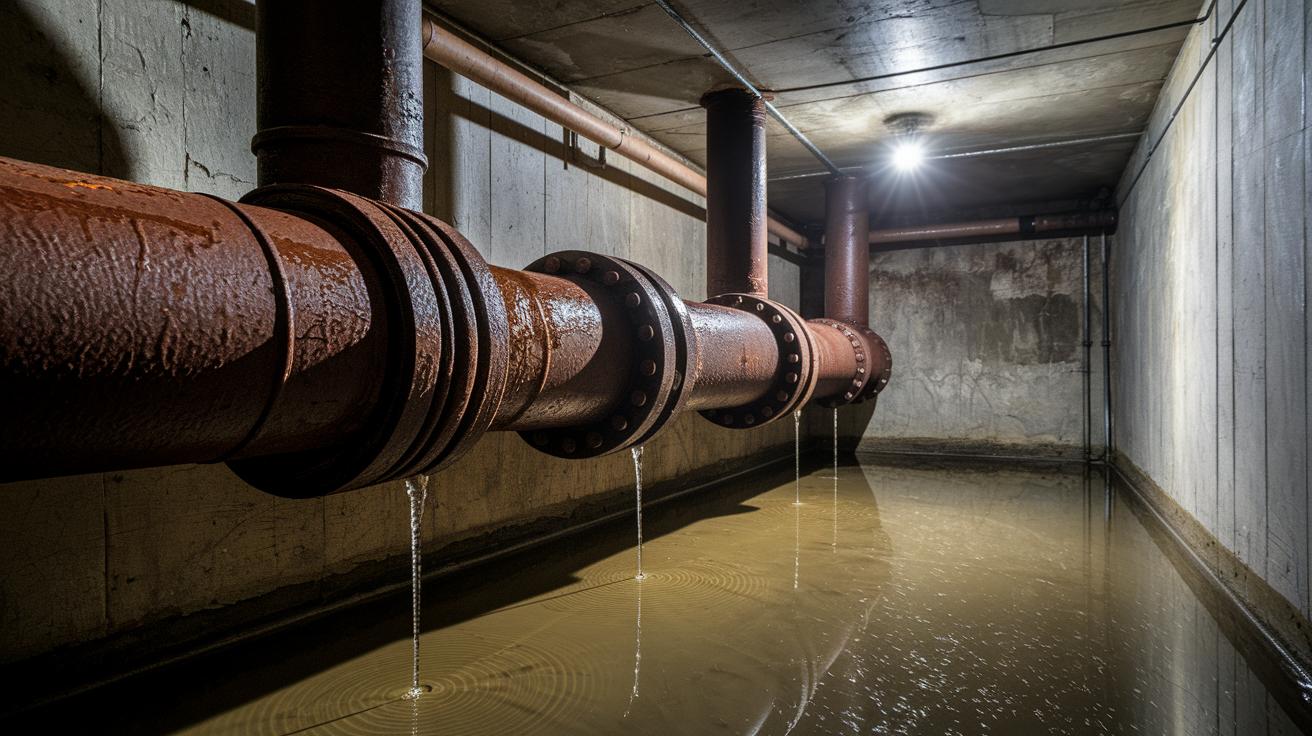
Older cast iron pipes don’t last as long as newer ones. After years of exposure to water and mineral deposits, the metal begins to rust. This rust weakens the pipe and causes tiny cracks that let water escape. You might see rust forming around a joint or notice water slowly seeping below your basement floor.
Tree roots can also cause trouble. They can push into weak joints and force their way through, which sometimes leads to blockages. Grease and hair can stick at these spots, adding more pressure to pipes that are already falling apart. One homeowner mentioned seeing a buildup near a joint before discovering roots inside.
Faulty gutters and downspouts can make matters worse. When they don’t work right, water pours into the soil around your basement. This extra moisture saturates the ground, which pushes against your pipes and may cause leaks. Even a small gap in your drain line can let water back up, leading to overflow and basement water problems.
Foundation and floor drains can also fail. A clogged or missing drain stops water from moving away from your home. When drain lines aren’t maintained, water backs up and puts more strain on older, weaker pipes. Check your basement drain regularly to catch any issues early.
Fixing these problems early can stop a small leak from turning into a big headache.
Inspection Tools for Detecting Basement Sewer Pipe Leaks
Quick Fix:
• Outcome: Find hidden sewer line leaks
• Time: 15 min
• Skill: Beginner
• Tools & Materials: Inspection camera, thermal imager, acoustic detector, sensor system
• Cost: Varies
• Safety: Wear gloves and keep the area clear
- Use a small inspection camera to check for blockages or cracks. It helps reveal hidden buildup around joints that you might miss by eye.
- Run a thermal imaging scan on walls and floors. Look for cooler spots that show where water might be seeping in.
- Listen with an acoustic leak detector. It picks up faint hisses as water escapes through tiny cracks.
- Set up integrated sensor systems to monitor moisture continuously, so you catch changes early.
Special tools like inspection cameras let you see tight spaces clearly and spot minor cracks. Thermal imagers detect temperature differences that hint at hidden moisture behind walls or under slabs. Acoustic detectors can pick up even a gentle hiss from leaks. Lastly, sensor systems remind you of any changes in moisture, giving you a heads-up before problems grow.
These methods work together to help you tackle leaks quickly and avoid costly repairs later.
DIY Repair Solutions for a Leaky Sewer Pipe in Basement
Quick Fix:
• What: Fix a small leak in your basement sewer pipe.
• Time: 30–60 min
• Skill: Beginner to Intermediate
• Tools & Materials: Epoxy sealant, repair sleeve or clamping kit, putty compound, clean cloth, small brush, utility knife, PVC primer and adhesive (if needed)
• Cost: $10–$40
• Safety: Wear gloves and work in a well-ventilated area
-
Gather your supplies. Get your epoxy, repair sleeve or clamp kit, and putty compound. Keep a clean cloth, small brush, and utility knife handy.
-
Clean the area. Wipe the pipe around the leak with a damp cloth until it is free of dirt, grease, and debris. This helps the repair stick.
-
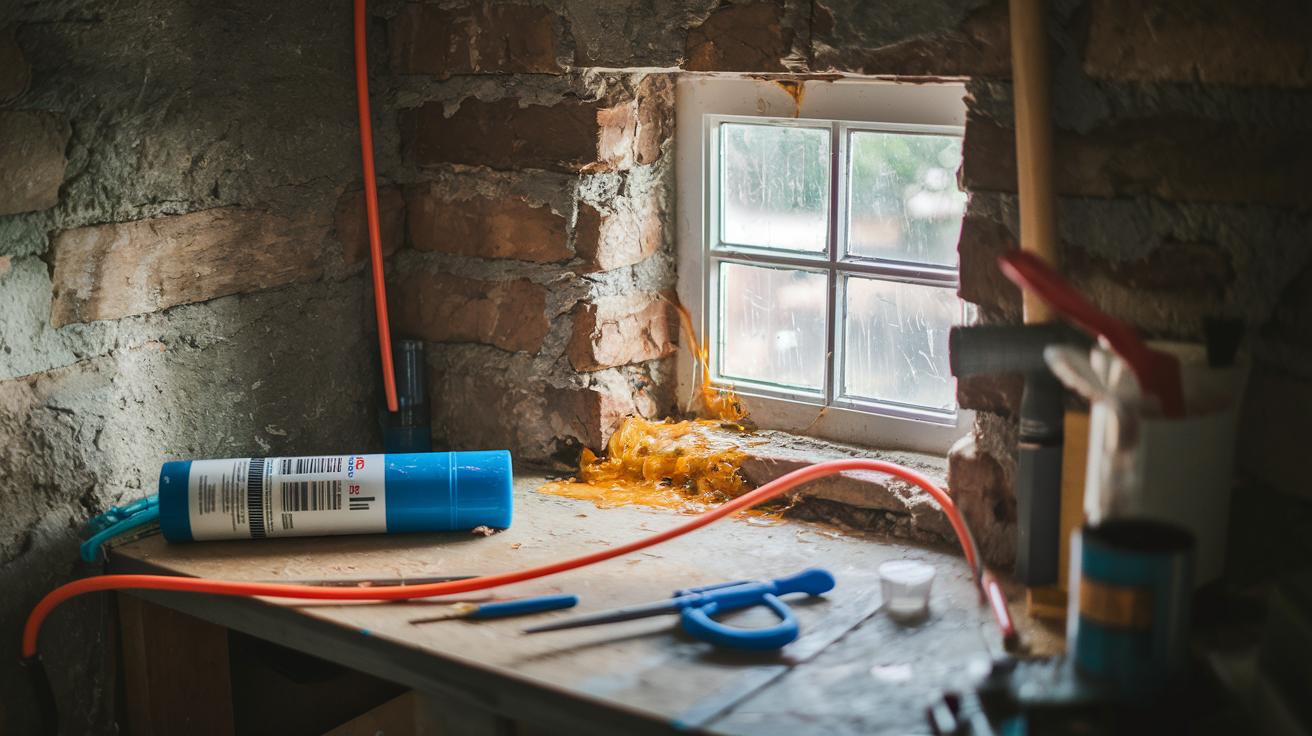
Spread the epoxy. Use your brush to apply a thin layer of epoxy sealant over small cracks or holes in cast iron or PVC. Work quickly because the epoxy sets fast.
-
Use a repair sleeve for bigger damage. If corrosion has weakened a larger area, slide the repair sleeve over the pipe section and tighten the clamp securely to strengthen the spot.
-
Fill small breaches with putty. For low-pressure leaks, press putty compound into the gap using a putty knife. Smooth it out carefully so it bonds well.
-
Replace a severely damaged section. If the damage is too great to patch, cut out the bad section and replace it with a new piece of PVC. Then, use PVC primer and adhesive to secure the new pipe.
-
Prevent future leaks. Regularly clean your drains, use drain covers, and avoid putting grease or oil down the drain. These steps help stop buildup and reduce leaks.
Cost Evaluation and Budgeting for Basement Sewer Pipe Repair
Quick Fix:
• What: Plan your repair budget for a leaking basement sewer pipe.
• Time: 10–15 min to gather quotes and details.
• Skill: Beginner.
• Tools & materials: Phone, pen & paper.
• Cost estimate: Free to get quotes; repairs vary by job.
• Safety: Check for water damage and shut off water if needed.
- Check the leak now. A delay can make repairs cost a lot more.
- Note your pipe type. Cast iron (older, heavy-cost) usually costs more than PVC (newer, lighter-cost).
- Pick your fix. A small patch might work for minor leaks, but widespread damage may need full replacement.
- Ask around. Get local bids to compare prices for materials and labor.
- Act fast. Urgent repairs now save you from more damage and higher costs later.
Keep it simple: know your damage, compare repair plans, and fix issues early to avoid turning a small problem into a big, expensive one.
When to Hire Professionals for a Leaky Sewer Pipe in Basement

Quick Fix:
• What: Fix a sewer leak and stop harmful gases.
• Time: Varies – usually start immediately.
• Skill: Basic inspection; advanced repairs need a pro.
• Tools & Materials: Inspection camera (if you have one), protective gloves.
• Cost: Repairs can run from a few hundred to over a thousand dollars.
• Safety: Avoid contact with sewer gas. Shut off water and get help if you see signs of widespread damage.
- Check Your Basement – Look for wastewater pooling on floors or many drains backing up at once. If you see these signs, stop any DIY work.
- Look Closely – Use an inspection camera if you feel safe. If you notice cracks or corrosion in the pipes, don’t try to fix them on your own.
- Call a Pro – Professionals will use pressure tests and high-end cameras to find hidden damage. They know if a small repair will work or if the pipe needs full replacement.
- Check for Structural Damage – If the leak spreads to the basement walls or floor, experts can spot foundation issues that could lead to bigger problems later.
Let professionals handle these repairs to protect your home and safety.
Preventive Maintenance for Basement Sewer Pipe Leak Prevention
Quick Fix:
- What: Keep your sewer pipe working and stop leaks
- Time: 30–60 min for a routine check
- Skill: Beginner
- Tools & Materials: Drain covers, cleaning tools, small fan, pipe camera (if available), gutter cleaning tools
- Safety: Wear gloves and use tools carefully
- Clean your drains often. Remove hair, grease, and debris, and use covers to catch the junk.
- Never pour grease or oil down the drain. Grease clogs pipes and can force water back into your basement.
- Check your pipes with a camera when you can. A drop in water speed might mean buildup or narrowing.
- Ventilate your basement. Open windows or run a small fan to clear out any escaping gases.
- Keep gutters and downspouts clean. Ensure they direct water away from your foundation so the soil doesn’t get too wet.
- Replace old, corroded pipes with modern, corrosion-resistant ones. This keeps water flowing steady and cuts the risk of leaks.
Follow these steps to keep your sewer system in great shape and avoid costly repairs later.
Final Words
In the action, we broke down key signs and inspection tips for a problematic leaky sewer pipe in basement. Each section walked you through diagnosing symptoms, understanding causes, and choosing the right tools for repair.
We then explored budget tips, when to call in experts, and ways to stop issues before they start.
Keep these steps in mind to tackle your leak promptly and safely. Happy fixing!
FAQ
Q: What do Reddit posts say about a leaky sewer pipe in a basement?
A: Reddit posts reveal that a leaky sewer pipe in a basement can cause sewage backups, odor issues, and even health hazards, prompting homeowners to seek immediate repairs and professional guidance.
Q: How dangerous is a leaky sewer pipe in a basement?
A: A leaky sewer pipe in a basement is dangerous because it can release sewer gas (methane and hydrogen sulfide) and cause sewage backups that risk damage to your home and health.
Q: How do I fix a leaky sewer pipe in my basement?
A: Fixing a leaking sewer pipe starts with diagnosing the leak, then using epoxy sealants or repair sleeves to patch small cracks, and cutting out and replacing severely damaged sections when necessary.
Q: What factors affect the cost of repairing a sewer line leak in a basement?
A: The cost for sewer line leak repair depends on damage severity, pipe material (cast iron versus PVC), chosen repair method, and whether you opt for professional services or a DIY fix.
Q: Why is there water leaking around my sewer pipe, and what does an uncapped pipe mean?
A: Water leaking around a sewer pipe may signal a breach or blockage, while an uncapped sewer pipe indicates the end of the pipe isn’t sealed, allowing sewer gases and pests to enter your basement.
Q: Does homeowners insurance cover broken sewer pipes under the foundation?
A: Homeowners insurance might cover sudden, accidental damage from a broken sewer pipe under the foundation if it causes water damage, but gradual damage from wear is generally not covered.
Q: Who is responsible for a broken sewer pipe?
A: Responsibility for a broken sewer pipe often lies with the property owner for interior issues, while municipal services typically handle main lines outside the home’s foundation.
Q: What are four signs that your sewer line is broken?
A: Four key signs include visible sewage backup, gurgling noises from your pipes, slow-draining fixtures, and patches of unusually lush vegetation above the damaged area.