

Quick Fix: Fix Cracked Window Frames
• What: Stop energy loss from cracked window frames
• Time: 15 min
• Skill: Beginner
• Tools & Materials: Caulk or wood filler, utility knife, cleaning cloth, primer/paint (if needed)
• Cost: $5–$15
• Safety: Wear gloves and work in a well-ventilated area
- Check your window frame for small cracks or rotted wood.
- Clean the damaged spot with a cloth to remove dirt and loose material.
- Apply caulk or wood filler to fill the crack. Smooth it out with your tool.
- Let the filler dry. If needed, prime and paint the area to protect it.
Don’t let a cracked frame drain your home’s energy and money. You can fix both vinyl and wood frames with these simple tips. Easy repairs like this help save on energy bills and extend the life of your windows. Follow these steps to protect your home while keeping repair costs low.
Comprehensive Overview of Window Frame Repair
Quick Fix:
- What: Repair cracked or rotted window frames.
- Time: About 30 min for vinyl; longer for wood.
- Skill: Beginner for vinyl; moderate for wood.
- Tools & Materials: Vinyl repair kit (compound and applicator) for vinyl; exterior-grade epoxy or wood filler plus paint for wood.
- Cost: Around $14 for a vinyl kit; vary for wood.
- Safety: Wear gloves and work safely.
Window frame repair works for both wood and vinyl windows. For vinyl frames, you usually fix small cracks or holes with a simple DIY kit. The kit has a compound and an applicator, and you can finish the job in about 30 min. For wood frames, start by cutting out the rotten, spongy wood. Then, use exterior-grade epoxy or wood filler (a substitute for rotten wood) and repaint the frame to bring back its strength and look. These fixes help keep heat in and your home looking just the way it was built.
Repairing a window frame can save you money and energy compared to buying new windows. For instance, a $14 vinyl repair kit may mend a crack in about 30 min and save you roughly $20 in energy bills each year. Instead of spending thousands on full replacements, targeted repairs lower energy loss and cut expenses. This method also keeps waste low by fixing only the damaged parts.
Done right, a window frame repair can last over 10 years. If more than 20% of a wood frame is damaged or its structure feels weak, you should consider replacing it. But with small fixes using quality fillers and paint, you can restore stability and extend the life of your windows. Quick DIY fixes for vinyl frames and weather-resistant sealing are a smart way to keep your home energy efficient and durable for years.
2 window frame repair Tips That Inspire Confidence

Quick Fix: Inspect every window to catch damage early.
Time: 10–15 min
Skill: Beginner
Tools: Screwdriver, flashlight
Cost: Free
Safety: Watch your step and use gloves if needed
- Check each window carefully. Run a screwdriver along wooden corners to feel for soft spots that show rot. Look closely at vinyl frames for tiny cracks that might leak.
- Note any peeling, bubbling, or chipped paint and check for missing or cracked caulking.
- Feel for drafts or moisture. These signs mean your window might not seal well.
When you inspect all your windows at once, you can spot repeated problems and fix them with one plan. Being thorough now means fewer surprises later and more confidence in your window repairs.
Step-by-Step Repair Process for Wooden Window Frames
Quick Fix:
• Outcome: Restore your window frame and stop further rot.
• Time: 1–2 hours
• Skill: Beginner to Intermediate (basic hand skills needed)
• Tools & Materials: Gloves, protective eyewear, screwdriver, saw or chisel, brush, 120–150 grit sandpaper, two-part exterior epoxy wood hardener, wood filler or epoxy, primer, exterior-grade paint
• Safety: Wear your gear and work in a well-ventilated area
- Check the frame. Run your screwdriver along the wood to find soft or spongy spots that show signs of rot. Mark these areas clearly.
- Remove damaged wood. Use a saw or chisel to cut out all the rotten parts. Make sure no decayed material remains.
- Strengthen the wood. Brush on the epoxy wood hardener and let it cure according to the manufacturer’s instructions. This finishes fixing the remaining wood fibers.
- Fill the gaps. Press wood filler or epoxy into any cracks or voids to match the original frame shape.
- Smooth the repair. Sand the filled areas with 120–150 grit sandpaper until the patch blends evenly with the rest of the wood.
- Prime and repaint. Apply a primer as a base, then cover with exterior-grade paint to protect and refresh the frame.
Allow the repair to cure fully (usually a few hours to one day based on the epoxy’s guidelines) before exposing the window to weather. If the repair looks different from the original trim, touch it up with matching stain or paint.
Repairing Vinyl Window Frames: Quick Fixes for Cracks and Holes

Quick Fix:
• What: Seal a small crack or hole in your vinyl window frame.
• Time: 15–20 min
• Skill: Beginner, just follow the kit instructions.
• Tools & Materials: DIY repair kit (includes sealing compound and applicator), 120–150 grit sandpaper, clean cloth.
• Cost: Parts $5–$20
• Safety: Work in a well-ventilated area and wear gloves.
- Clean the area. Wipe off dust and loose bits until the surface is smooth.
- Sand the crack edges with 120–150 grit sandpaper so the compound sticks better.
- Apply the compound with the kit’s applicator. Smooth the patch, letting it feather out into the frame.
- Let the repair cure fully as directed. This rebuilds the seal and helps lower energy bills.
Essential Tools, Materials, and Cost Estimates for Frame Repair
Quick Fix:
• What: Gather supplies to repair window frames and boost energy efficiency
• Time: 5 min
• Skill: Beginner
• Tools & Materials:
1. Flat-head screwdriver
2. File or pocketknife
3. 120–150 grit sandpaper (for smoothing edges)
4. Two-part epoxy wood filler ($20–$30)
5. Wood hardener (adds strength)
6. Primer and exterior-grade paint
7. Vinyl repair kit (~$14, if needed)
• Cost: About $50–$100 per window
• Safety: Use gloves and eye protection when handling tools and chemicals
Steps:
- Gather all the tools and materials listed above.
- Use a spreadsheet or budgeting app to record each item along with its price.
- Add up the costs to see your total DIY expense and compare it with a professional quote.
- Enjoy the benefits, these repairs not only fix your frames but may save you about $20 a year on energy bills.
Professional vs. DIY: When to Call in Expert Window Menders
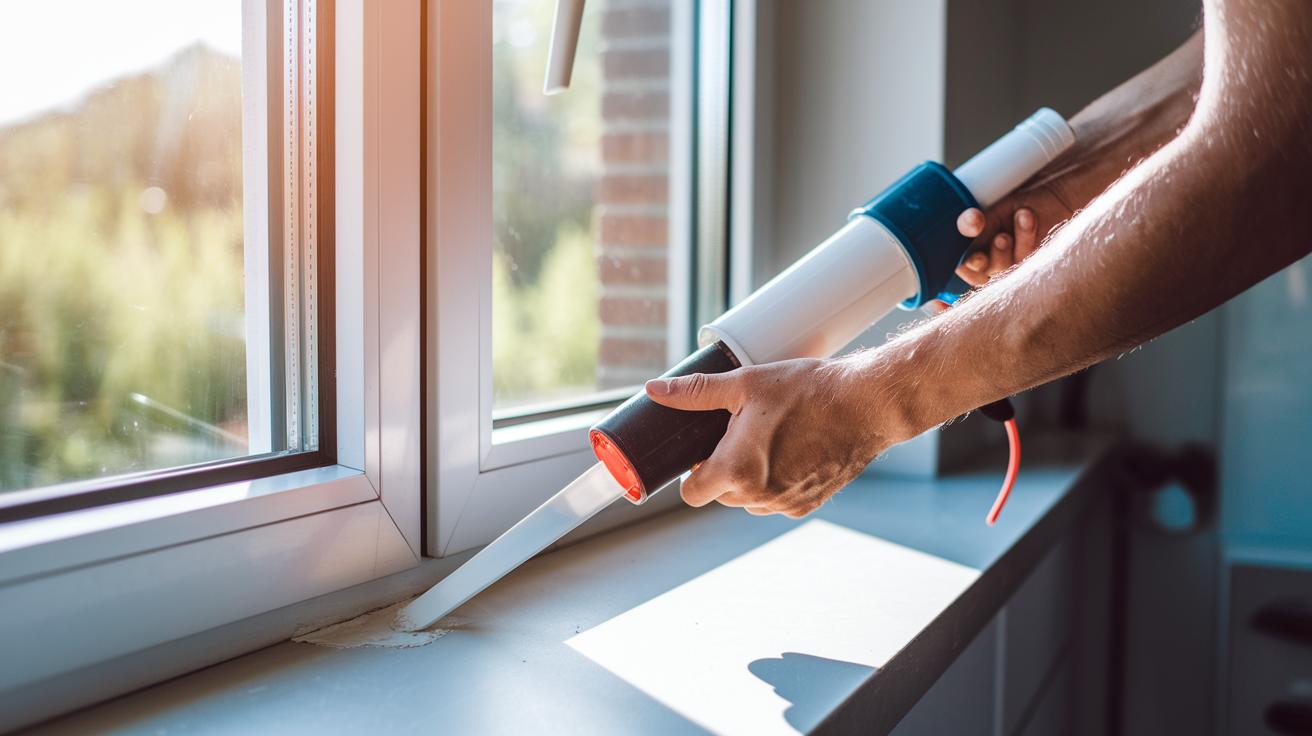
Quick Fix:
- What: Fix small window issues yourself or call a pro for big problems.
- Time: DIY fixes can take 15–30 min; a pro job may require a few hours.
- Skill: DIY is best for beginners handling minor cracks or caulk; call a pro if you face major or hidden damage.
- Tools: Basic caulk gun, putty knife, and a set of simple tools for DIY fixes.
- Cost: DIY is budget friendly; if hiring a pro, expect about $150–$300 per window.
- Safety: For any job, ensure the window area is secure.
DIY repairs are cheap, fast, and satisfying for small window issues. They work well when fixing tiny cracks or reapplying caulk with a few basic tools. If you feel comfortable with a simple repair, you can have it done quickly. But if the damage is extensive or hidden, a DIY fix might not last and could lead to future leaks.
For bigger jobs, professionals are the way to go. If more than 20% of the frame is damaged, or the window’s structure and glass fitting (especially for vinyl windows) need expert care, it's best to hire someone. Although pro repairs usually cost around $150–300 per window, they give you a strong, long-lasting fix that meets safety standards.
When choosing a contractor, check their local work experience and safety record. Read reviews and get same-day estimates to compare prices. Ask about how they handle emergency repairs and if they follow home repair safety tips. Take your time to research and interview a few experts before making your decision.
Ongoing Maintenance and Preventative Measures for Durable Window Frames
Quick Fix:
• What: Keep your window frames strong and weatherproof
• Time: 10–15 min per season
• Skill: Beginner
• Tools & Materials: Screwdriver, caulk, sealant, paint, lubricant
• Cost: Parts $5–$20
• Safety: Wear gloves and ensure a steady work area
- In spring, grab a screwdriver and check for loose screws, peeling paint, and cracked caulk. Tighten fixes as needed.
- After summer’s heat and rain, look closely at your frames for damp spots, warped edges, or soft sills. Dry or repair them quickly.
- Come fall, inspect the seals. Fill in small cracks in caulk or weatherstripping to keep cold air out.
- Just before winter, double-check your glazing and seals so no chilly drafts sneak in.
For long-term care:
• Renew caulk and add a fresh layer of sealant every 3–5 years. This keeps a strong barrier against weather.
• Repaint or reseal wooden casings every 5–7 years to fight moisture damage.
• In spring and fall, take a moment to check and lubricate all hardware. This helps stop rust and keeps the parts moving smoothly.
By following these steps each season, you help your windows stay energy-efficient and boost your home’s curb appeal.
Final Words
In the action, you saw how window frame repair covers both wood rot fixes and quick vinyl patch-ups. The guide showed you the step-by-step process, common damage indicators, and how a simple repair kit can boost energy savings.
You explored how small investments in tools and upkeep pay off by extending frame life. Every step builds confidence, saving money and keeping your home safe.
Keep this plan handy and tackle repairs with a clear, smart approach.
FAQ
What does a window frame repair kit include?
The window frame repair kit includes essential items like resin, epoxy wood filler, sandpaper, and basic tools that help fix cracks, rot, or holes quickly with a DIY approach.
How can I find local window frame repairs near me?
Locating local window frame repairs involves checking nearby hardware stores or online listings for specialists who offer quick repair kits or professional services when damage is more extensive.
What is the cost to repair or replace a window frame?
Window frame repair costs vary; DIY repairs usually run $50–$100 per window, while full replacement by professionals can cost $150–$300, making repair a cost-effective option when damage is minimal.
How do I repair a rotted interior wood window frame?
Repairing a rotted interior wood frame means removing decayed wood, applying wood hardener and epoxy filler, sanding smooth, and repainting to restore strength and prevent further decay.
How is resin used for window frame repair?
Resin for window frame repair is applied into cracks or holes as an adhesive that hardens to restore the wood’s structure, effectively securing loose or damaged areas without a full replacement.
What steps are involved in wood window frame repair?
Wood window frame repair starts with inspecting and removing rotted areas, then applying epoxy or filler, sanding it down, priming, and painting, a process that can extend the frame’s life by over a decade.